



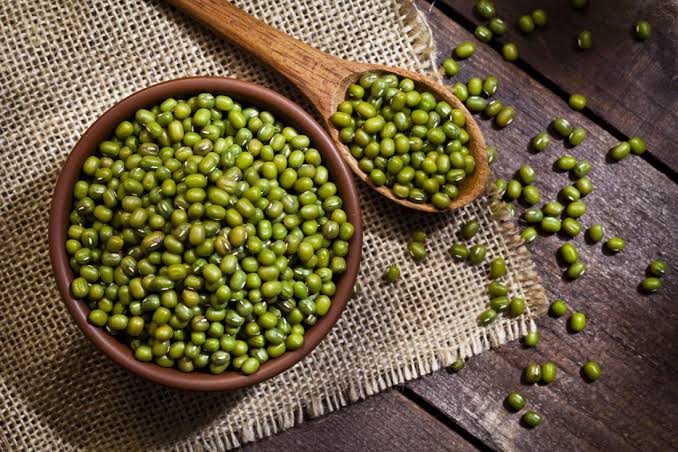
Farmers in areas facing dwindling irrigation supplies are being encouraged to plant squash, mungbean and other short-duration crops instead of risking losses from rice cultivation during the expected El Niño dry spell.
The Department of Agriculture (DA) 7 is coordinating with the National Irrigation Administration (NIA) to identify vulnerable farming areas and help growers adjust their planting plans, said Dr. Gerry Avila, chief of the DA 7 Field Operations Division.
For farmers who still have enough water to cultivate rice, the agency recommends RC 418, a drought-tolerant variety that can grow under less favorable water conditions.
Those unable to sustain rice production, however, may turn to crops that require less water and have shorter growing periods.
“We have the plan really to plant either squash, mungbean, and other crops nga short-duration (short-growing crops), para dili pod sila maalkansi,” Avila said.
The shift is particularly relevant to farms downstream of irrigation systems, where water supply could become insufficient if dam levels decline.
To help farmers in these areas, the DA and NIA are also developing an alternative planting arrangement called “Gulayan sa Kanal.” The initiative would allow farmers to grow vegetables along irrigation canals and dikes using limited water released by NIA when rice cultivation is no longer feasible.
Avila identified rice as the crop most vulnerable to El Niño because of its high water requirements. Shallow-rooted vegetables also face risks as intense heat can quickly dry the soil around their roots.
To help preserve soil moisture, the DA is advising farmers to practice mulching by covering the ground around plants with dried leaves and other plant materials. The practice helps reduce evaporation and retain moisture.
For corn growers, the agency is promoting biofertilizers to strengthen plant roots, particularly in hybrid yellow corn production. It is also recommending cassava and other root crops for marginal agricultural areas where conventional crops may be difficult to sustain.
Farmers who planted rice as early as October may still harvest by late December or January, depending on rainfall during the remaining months of the year, Avila said.
In Bohol, around 25,000 hectares of rice areas upstream of irrigation systems may still be planted and harvested, provided dams retain sufficient water. The DA and NIA are monitoring dam levels to determine the volume available for agricultural use.
The DA is also exploring potential markets for alternative crops as more rice farmers consider shifting to vegetables and other commodities. Avila said larger production volumes would require buyers to absorb the expected harvests.
Cebu City has already reported agricultural damage linked to dry conditions, particularly among vegetable growers in upland communities with limited water supplies.
Avila said the DA began monitoring possible El Niño impacts with local government units as early as February. The agency has also distributed high-density polyethylene pipes and water containers in response to requests from affected farming communities in Cebu City.
Farmers are encouraged to coordinate with their local government units and agricultural offices to identify suitable alternative crops and available assistance as irrigation supplies become increasingly uncertain.
📸 Media courtesy of Medical News Today















Comments