



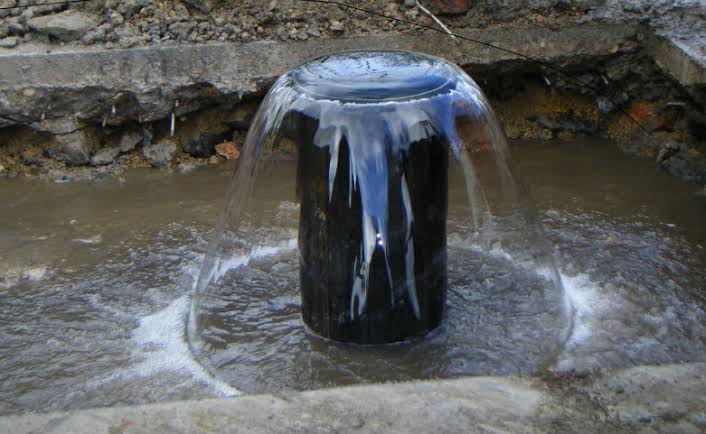
Cebu City has identified 94 artesian wells that are either unusable or need repairs, according to a citywide inventory of community water sources conducted as the local government prepares for a possible El Niño.
The inventory recorded 730 water sources across the city’s North and South districts, including 692 artesian wells and 38 other sources such as springs, open wells, streams and small lakes.
Of the artesian wells, 598 or 86 percent remain functional, while 58 are non-functional and 36 require repairs.
The Department of Public Services, Barangay Responders and Cebu City Environment and Natural Resources Office conducted the inventory, with field teams checking the condition, type and depth of each source.
Each water source was also geotagged and assigned a unique well identification number to create a digital map that the city can use to identify repair needs and plan responses to potential water shortages.
The South District accounted for the larger share, with 408 artesian wells. Of these, 371 or 91 percent were functional.
The North District had 284 wells, with 227 or 80 percent in working condition.
Basak Pardo recorded the most artesian wells at 43, followed by Basak San Nicolas with 41, Bulacao with 31 and Labangon with 30.
In the North District, Bacayan had the most with 21 wells, followed by Pulangbato with 18.
The inventory also identified barangays where at least half of the wells were either non-functional or needed repairs.
These included Kamputhaw, Kamagayan, Apas and Day-as in the North District, and Pahina San Nicolas, Buot and Buhisan in the South District.
Field teams noted that some operational wells also needed minor maintenance, including the replacement of handles, gaskets and other worn-out components.
About 83 percent of the inventoried wells were deepwells, with an average recorded depth of around 24 meters. Most of the remaining wells were jetmatic pumps drawing water from an average depth of six meters.
All 38 other water sources included in the inventory were found functional. Most were located in mountain barangays, led by Malubog with 22, Lusaran with seven and Busay with four.
Lahug and Tabunan each had two additional water sources, while Sirao had one.
Residents use these sources for drinking, washing, bathing and farming.
The city said the inventory supports Mayor Nestor Archival’s preparations for the looming El Niño by providing data to guide water-related interventions and help ensure communities retain access to basic supplies.
However, data from Barangays Santa Cruz, Tinago and Tagbao had yet to be submitted.
Barangays Ermita, Kalubihan, Luz, Parian, Sto. Niño and Suba reported having no artesian wells.
📸 Media courtesy of Dales Water















Comments