



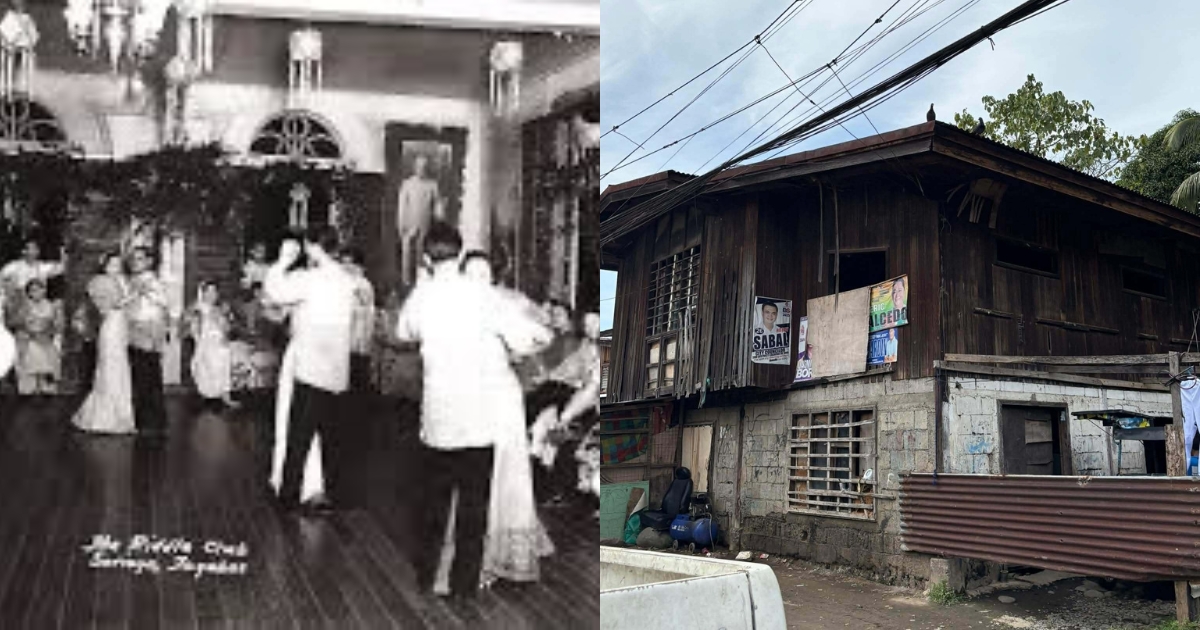
Puerto Princesa. A city of natural wonder and spirited lifestyle. But huddled within its neighborhoods is a house that has earned a legendary, whispered reputation—a place where the past refuses to fade and the boundary between worlds grows thin.
The story is not from one family, but from many. It begins with Vanessa’s family in 2004. The house was spacious, but an unsettling energy permeated it from the start. Strange knocks on bedroom doors with no one behind them. The sound of unseen children running through the kitchen, even daring to tickle their mother’s ankles. Food would mysteriously appear on their antique turntable table like offerings from an invisible host. The terror culminated one night when Vanessa’s older brother awoke paralyzed, feeling an immense weight pressing down on him, pinning him to his bed before he could flee, screaming, to his family.
They moved out, but the house’s legend only grew.
In 2015, new renters moved in next door. A worker, returning home late one night, glanced at the long-vacant property and froze. The house was ablaze with light. Vintage cars were parked outside. Through the windows, she saw a grand, roaring party in full swing, with people in old-fashioned finery dancing under a brilliant chandelier, the sound of classic music spilling into the street. Assuming new tenants had moved in, she thought little of it.
The next morning, the truth was clear. The house was dark, empty, and thick with dust, exactly as it had been for years. She was not the only witness. A neighbor, a gay man also returning late, saw the exact same phantom celebration on a different night.
One time, a dance group was practicing on the property for a Barangay election performance. In the middle of their rehearsal, a disembodied voice suddenly spoke from the empty air, clear and warning:
“Pag hinay-hinay lang mo kay basin masipaan ninyo. Sila nag tan-aw baya sa sayaw ninyo.”
(Be careful, go slowly, or you might step on them. They are watching your dance.)
Terrified but curious, they dared to peek inside the house. What they saw confirmed the warning: empty rocking chairs moving on their own, unsettling portraits of strangers lining the walls, and the distinct, disembodied sounds of a child crying and otherworldly laughter echoing in the halls. Through an upstairs window, they saw the pale, made-up face of a woman with “siga kaayong artis” (very bright makeup) staring down at them.
This house does not just haunt; it observes. It hosts. It warns. It is a place where the line between the living and the dead is not just crossed—it is a stage, and the unseen audience is always present. A place where memories of joy, sorrow, and perhaps tragedy replay on a loop, visible only to those who pass by at the wrong—or right—hour.
To this day, the house in San Jose, Puerto Princesa, stands as a local legend. A place where the past is not a memory, but a resident. A chilling reminder that some walls don’t just hold up a roof; they hold onto time itself.















Comments