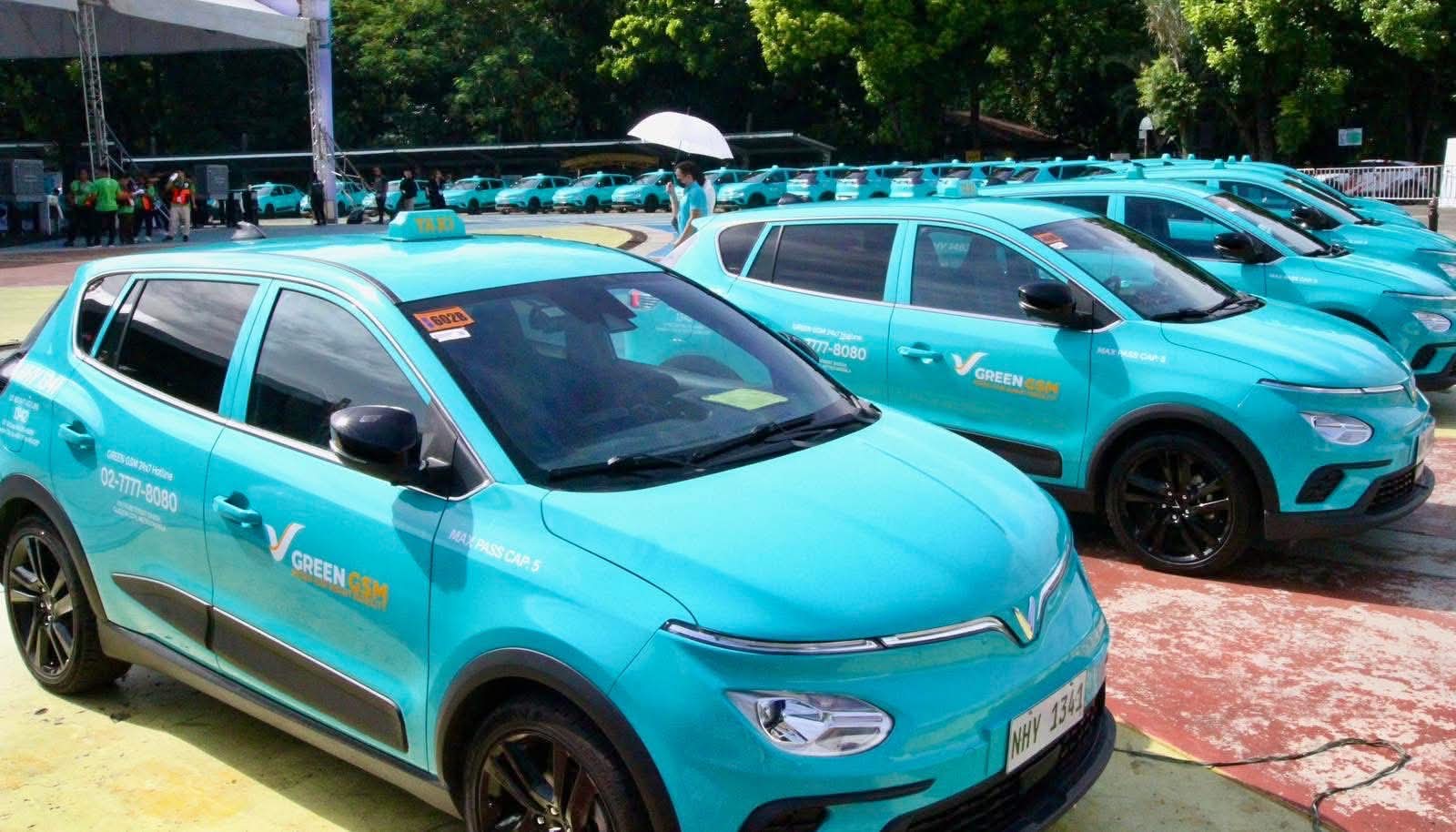
Cebu is moving closer to the rollout of electric vehicle (EV) taxis despite opposition from local transport groups and concerns raised by Governor Pamela Baricuatro.
The Land Transportation Franchising and Regulatory Board in Central Visayas (LTFRB 7) has proceeded with preparations while awaiting further guidance from its national office.
LTFRB 7 Director Eduardo Montealto Jr. confirmed that the regional office is conducting inspections and preparing for public hearings involving around 600 EV taxi units that have already received provisional authority from the LTFRB Central Office.
Montealto said the regional office is acknowledging the concerns raised by various stakeholders but remains bound to implement national directives.
“While we respect the opinions raised, we are following our inspection guidelines here in the region,” Montealto said.
He added that a public hearing is scheduled on December 23 and that vehicle inspections are currently ongoing.
The EV taxi rollout is part of the national government’s transport modernization push under the Electric Vehicle Industry Development Act (EVIDA), which aims to reduce fossil fuel dependence and curb emissions by gradually transitioning public transport to electric alternatives.
Montealto said the program also encourages existing taxi operators to modernize their fleets, with an initial target of converting about five to ten percent of units to electric vehicles.
“Cebu has many taxis already, but modernization is necessary. We can no longer rely solely on internal combustion engines,” he added.
Local taxi associations, however, have expressed strong opposition, saying they were caught off guard by the arrival of EV units in Barangay Mambaling.
United Cebu Taxi Operators Association Inc. president Chito Obeso said operators had previously been informed that no new franchises would be issued due to traffic congestion concerns.
Obeso said members were surprised by the release of Memorandum Circular No. 050, Series of 2025, issued in November, which authorized additional EV taxi slots.
He clarified that operators are not opposed to electric vehicles, but warned that the introduction of new units could worsen traffic congestion and negatively affect the income of existing franchise holders.
The group also raised concerns over what it described as a lack of public consultation and questioned whether studies had been conducted comparing the traffic and road impact of EV taxis and conventional units.
Governor Baricuatro echoed these concerns, stressing that her objection is rooted in licensing fairness rather than opposition to environmental or technological advancements.
She warned that granting provisional authority to new operators could disadvantage established taxi companies and potentially affect traffic flow and road safety in Cebu.
LTFRB 7 said it has formally forwarded all feedback and opposition raised by stakeholders to the LTFRB Central Office for review.
Montealto said the regional office will comply with any directive issued by the national office.
Unless instructed otherwise, Cebu remains on track to become one of the first provinces in the country to implement the nationwide EV taxi program, alongside Davao. (LLP)