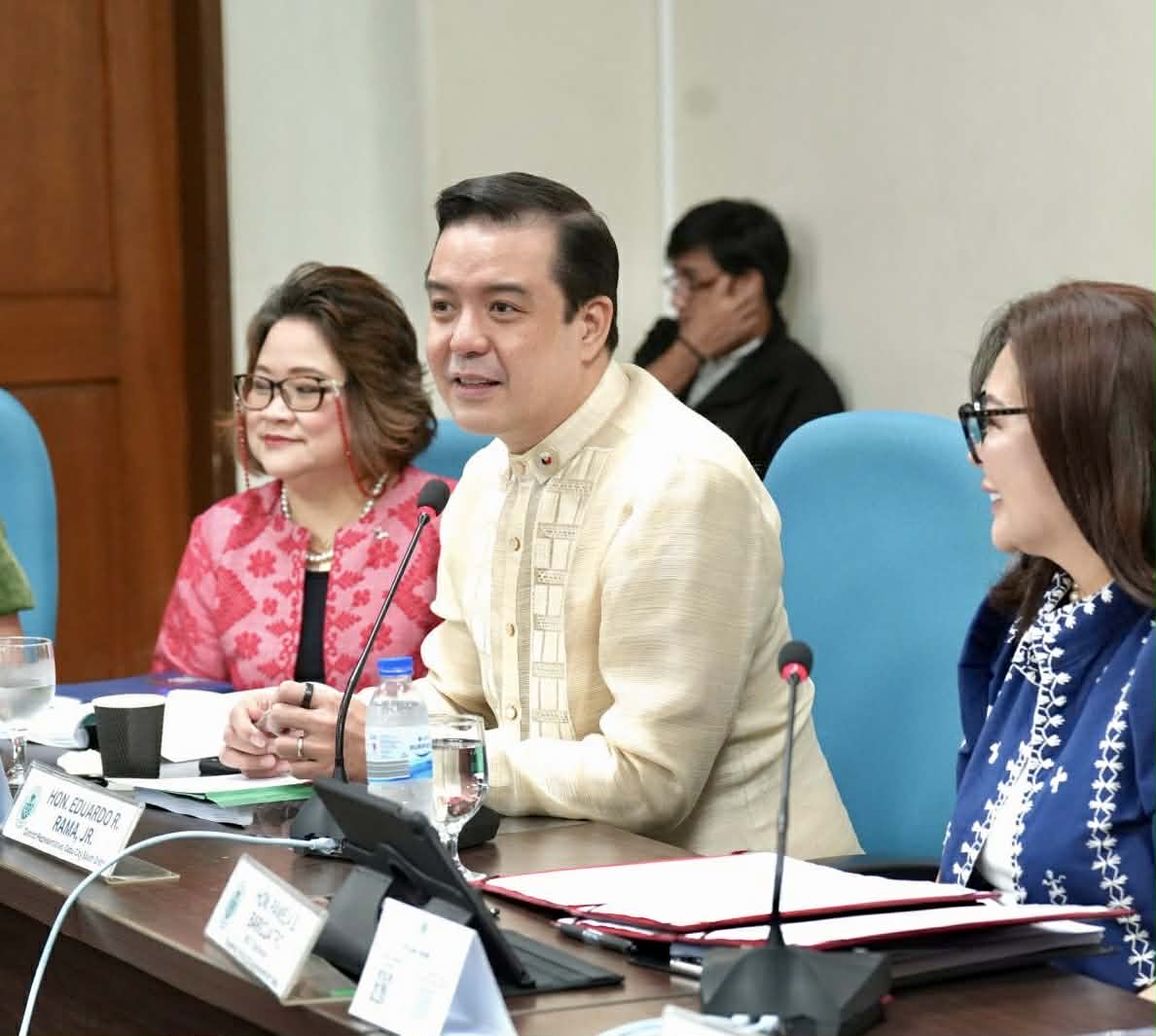
After days of online backlash and public confusion, Cebu City Councilor Winston Pepito has broken his silence on the City Hall parking controversy, saying a minor logistical issue escalated into a public dispute due to miscommunication and lack of coordination.
Speaking at a press conference on Friday, January 16, Pepito said he felt compelled to respond after social media posts and official statements created the impression that city councilors had arbitrarily parked their vehicles in a restricted area—an allegation he firmly denied.
He said a post by Mayor Nestor Archival failed to mention that councilors had been advised they could park in the area, leading the public to believe that they acted on their own.
“Murag nahimo nuon’g hulagway nga nagpataka lang mi’g parking, nga ang tinuod nituman ra man mi sa instructions nga among nadawat,” Pepito said.
Pepito stressed that the issue went beyond him as an individual and affected the entire City Council.
He said several councilors’ vehicles were clamped, although only his and Councilor Alvin Arcilla’s vehicles appeared in the video that later circulated online.
The councilor, who also serves as president of the Councilors League, clarified that he has no issue with the Cebu City Transportation Office (CCTO), emphasizing that traffic enforcers were simply doing their jobs.
“The issue is not enforcement. The issue is communication,” he said.
According to Pepito, councilors were informed by the Office of the Vice Mayor that they could temporarily park along Jakosalem Street near City Hall, an area closed to public vehicles and reserved for security, emergency use, and government officials, after their regular parking area was taken over by devotees attending the Santo Niño novena.
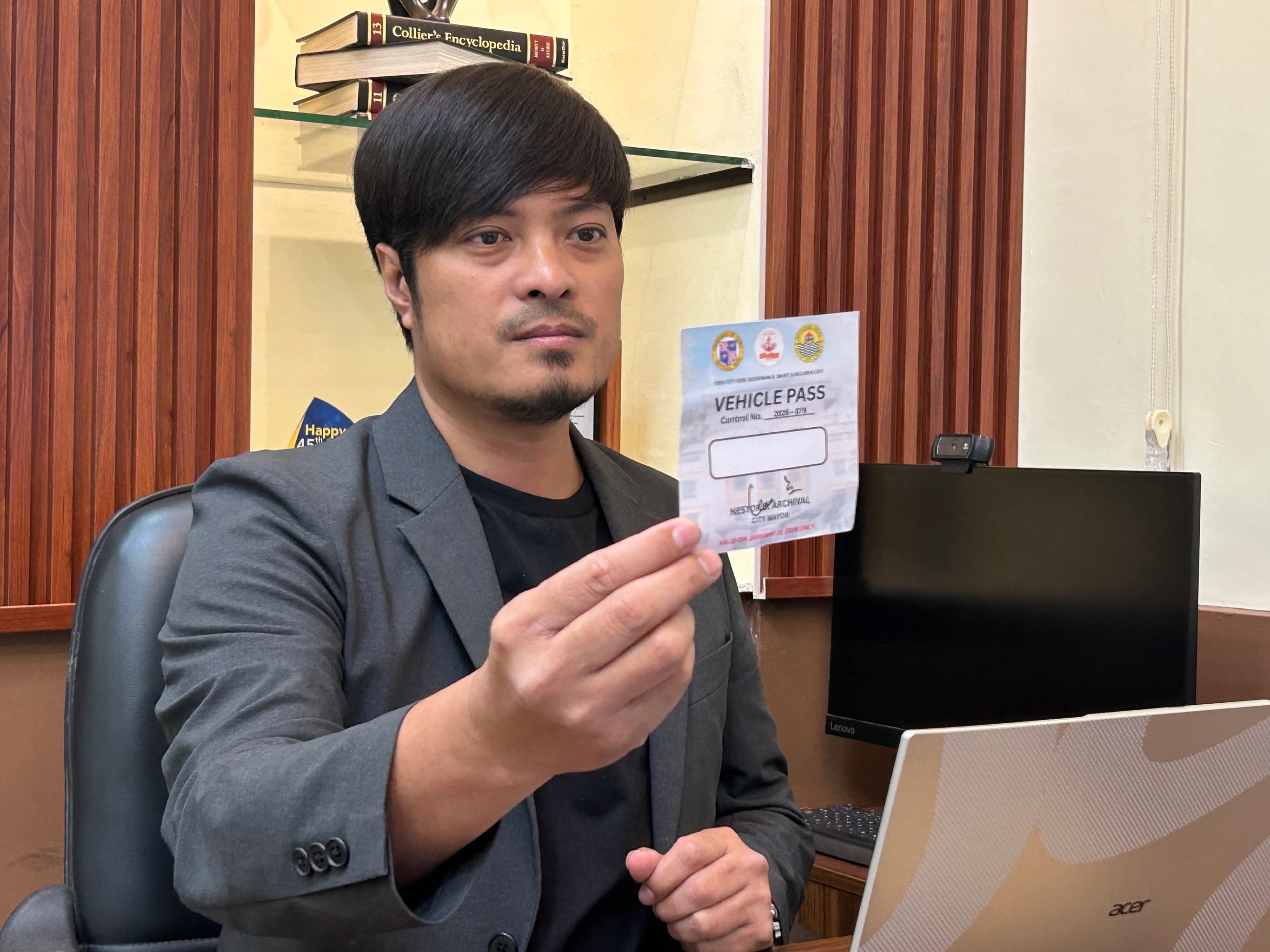
Pepito cited a text message from the Vice Mayor’s Office instructing councilors to secure vehicle access passes for the Fiesta Señor novena period and stating that Jakosalem Street near Yutivo was the designated parking area for city councilors.
The message noted that the pass could be used for drop-off if the area was already full.
He said the arrangement appeared clear on the ground, as the road was closed to public traffic, CCTO personnel were stationed at the entrance to screen vehicles, and government vehicles had been parking there in the days leading up to the clamping incident.
Pepito also pointed out that CCTO chief Raquel Arce acknowledged in a post that councilors were allowed to park in the designated area, although vehicles could still be clamped if enforcers failed to recognize them as belonging to city officials.
While agreeing with Mayor Archival’s statement that car stickers serve as vehicle access passes and not parking permits, Pepito said the mayor’s post omitted the context that councilors had received separate instructions allowing them to park in the area due to the temporary closure of their usual parking spaces.
Pepito likened the situation to being told where to sit, only to be reprimanded afterward for following the instruction.
“If walay niingon nga okay ra, dili gyud mi moparking didto. Dili man mi mamugos,” he said.
He added that the issue could have been resolved early if it had been acknowledged as a lapse in coordination rather than framed as wrongdoing.
Beyond the clamping incident, Pepito said the controversy exposed broader communication gaps between the executive and legislative branches of the city government.
“We are supposed to be partners. Ang executive dili molihok kung walay legislative, ug ang legislative walay pulos kung walay suporta sa executive,” he said.
He added that regular dialogue, even brief meetings, could help prevent similar issues from escalating into public disputes. (LLP)