Appeals from Cebu City for nearby dumping options met firm resistance on Thursday as neighboring local governments refused to shoulder the capital’s mounting garbage problem following the shutdown of its Binaliw landfill.
Minglanilla town and Talisay City rejected Cebu City’s request to temporarily accept its waste during an emergency meeting convened by the Department of Environment and Natural Resources (DENR) on January 22, 2026.
Both localities are the closest cities and towns south of Cebu City.
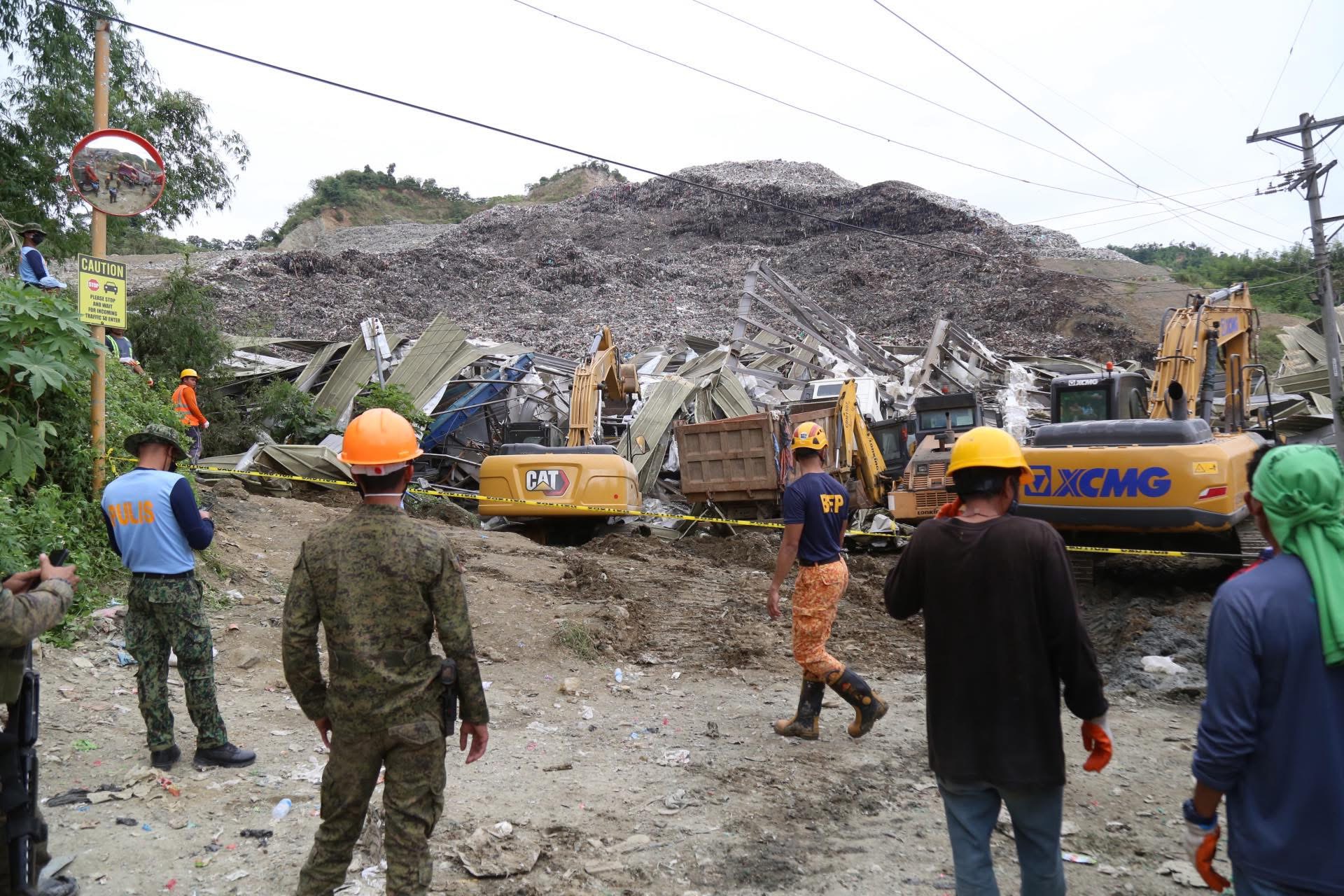
The emergency talks were held after the Environmental Management Bureau ordered the closure of the Binaliw landfill earlier this month, following a massive trash slide that killed 36 people at the site and a volunteer rescuer who later died in the hospital.
DENR identified Minglanilla as one of the possible alternative disposal sites, but Mayor Rajiv Enad said the proposal came without consultation and could not be imposed on a smaller municipality already facing its own environmental issues.
“
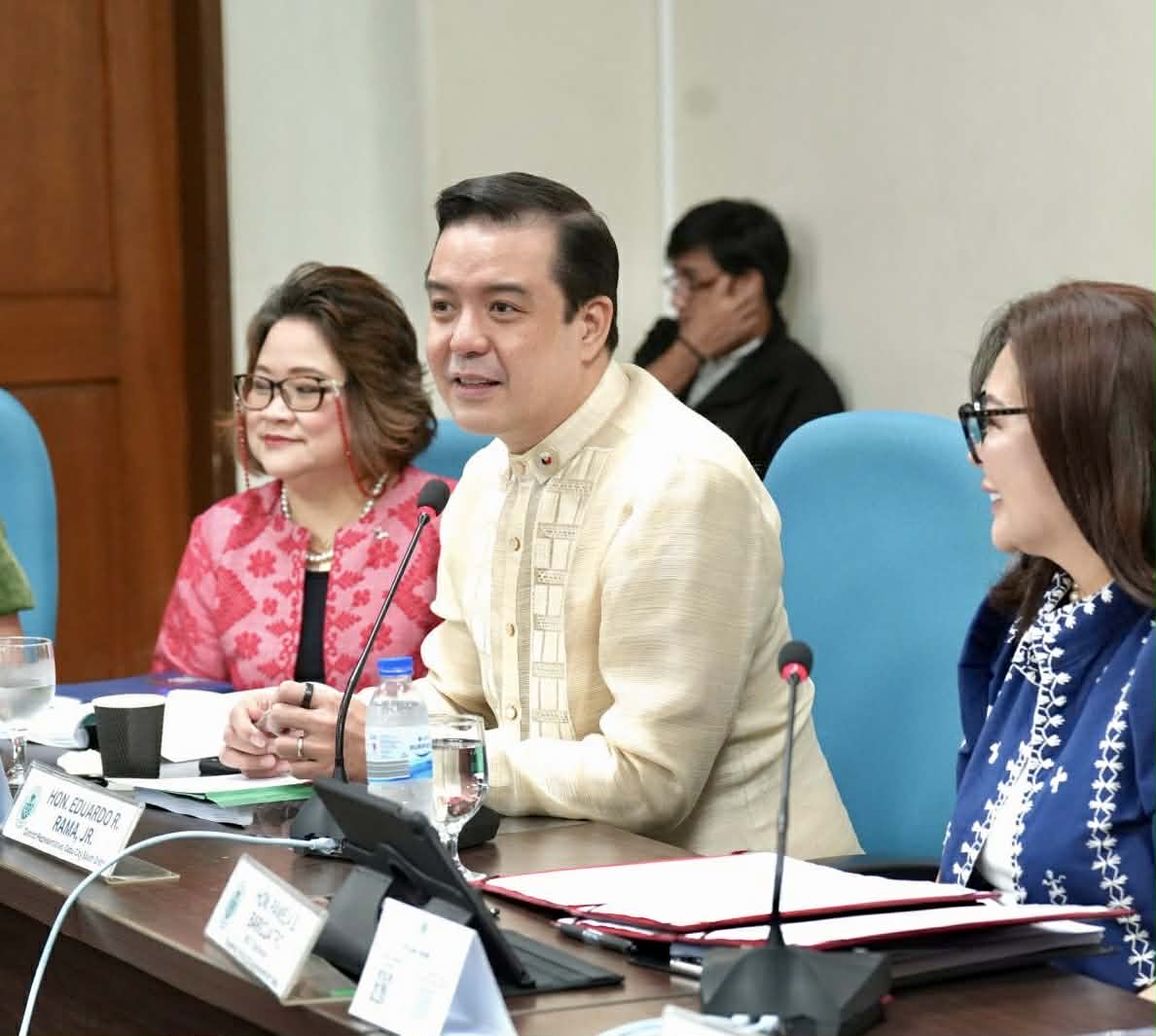
Not until this morning, when I was called to the Capitol for an ‘emergency meeting’ with DENR Secretary Raphael Lotilla, Gov. Pamela Baricuatro, Cebu City Mayor Nestor Archival and many other regional and provincial officials,” Enad said.
“There, the DENR Secretary apprised us of the need for Cebu City to find an alternative site for their wastes, and that DENR 7 identified Minglanilla as among the alternatives,” he added.
Enad said the privately owned landfill in Barangay Manduang has been closed for three years and no longer holds a permit to operate after the operator failed to comply with its contractual obligations with the municipal government.
He said the site continues to affect nearby rivers and threaten local water sources despite its closure.
He also pointed to widespread opposition from residents, citing manifestos issued by barangay captains and Sangguniang Kabataan leaders, as well as a petition signed by thousands of residents of Barangay Manduang.
Talisay City Mayor Gerald Anthony “Samsam” Gullas Jr. echoed the refusal, saying his city cannot accommodate waste from other local government units due to capacity limits and regulatory restrictions.
He said Talisay is instead willing to support Cebu City through non-disposal measures, including traffic management, should garbage hauling routes be redirected farther south.
First District Rep. Rhea Gullas, whose district includes Minglanilla, publicly supported the town’s position after the meeting.
“Transferring the environmental and social burden of a big city like Cebu to a small town like Minglanilla is unreasonable and fundamentally unjust,” Gullas said.
She said solid waste management facilities in the First District are intended to serve their respective communities and should not be used to absorb garbage from highly urbanized cities.
She also urged DENR to pursue solutions that protect the environment and public health while ensuring fairness, citing strong opposition from Minglanilla residents.
Since the Binaliw landfill was shut down, Cebu City has been hauling an estimated 600 tons of garbage daily to a privately operated landfill in Barangay Polog, Consolacion.
The city is also looking at farther disposal sites in Bogo City and Aloguinsan, which are expected to significantly increase hauling and tipping costs.
Vice Mayor Tomas Osmeña warned that Cebu City’s waste management expenses could rise to between P500 million and P700 million annually, potentially affecting funding for key programs such as scholarships, hospitalization assistance, and operations of the Cebu City Medical Center.
He also cited the lack of a national law allowing modern incineration facilities as a major limitation.
Other local government units have adopted temporary measures to manage their own waste.
Photo by Jacq Hernandez