
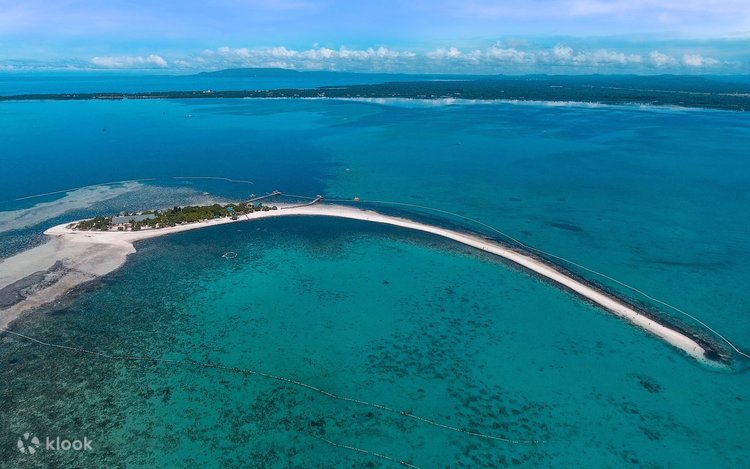
After more than a year of rehabilitation, the Panglao Island Protected Seascapes (PIPS) has officially reopened, welcoming visitors with stricter regulations designed to protect its rich marine biodiversity.
Under the new guidelines, access to the Virgin Island sandbar, one of Bohol’s most popular tourist spots, is limited to 250 visitors every two hours from 6 a.m. to 6 p.m.
All boats entering the area must undergo pre-entry inspections, which will include trash audits as part of a newly implemented ‘pack-in, pack-out’ policy aimed at curbing environmental damage.
Bohol Governor Erico Aristotle Aumentado, who initiated the temporary closure of the island in 2024, emphasized the importance of balancing tourism with environmental sustainability.
The closure followed widespread vandalism, illegal vending, and the degradation of the island’s ecosystem.
Despite facing criticism, Aumentado stood firm on the necessity of the measures to safeguard the island’s delicate marine life.
“Balancing livelihood and a sustainable environment can only be done through policies and regulations,” Aumentado said during the reopening ceremony.
The governor’s remarks were echoed by Laudemer Salac, Regional Executive Director of the Department of Environment and Natural Resources (DENR), who also serves as the chair of the Protected Area Management Board (PAMB).
Salac, who has been monitoring the area since 2018, recalled witnessing unsustainable practices during an incognito visit to the site.
He now leads efforts to implement the newly adopted PIPS Marine Tourism Guidelines.
“These guidelines are crucial for ensuring that the economic benefits from tourism do not come at the expense of the environment,” Salac said, noting that the PIPS spans 24.5 square kilometers of marine and coastal areas, including pristine coral reefs, mangrove forests, seagrass beds, and tidal flats.
The PIPS is home to some of Bohol’s most important ecosystems, including the Virgin Island sandbar, which, along with nearby attractions like Balicasag Island’s dive spots and Gak-ang Island, draws thousands of visitors each year.
The area also serves as a habitat for migratory birds and marine species in need of protection.
Local authorities have stressed the crucial role of communities in maintaining the health of these ecosystems.
“We have to watch over this 24/7,” Governor Aumentado said, acknowledging the significant role local residents play in safeguarding the area.
As the province works to preserve its marine treasures, tourism operators and visitors alike are urged to follow the new guidelines, ensuring that Bohol’s protected seascapes remain a vibrant and sustainable destination for years to come.

Comments