
Most Filipinos see bribery as the most widespread form of corruption in the country, according to the latest Tugon ng Masa nationwide survey conducted by OCTA Research and commissioned by the Office of the Ombudsman.
Results from the Quarter 4 survey, carried out from Dec. 3 to 11, 2025 and released Monday, showed that 73 percent of adult respondents identified bribery as the most common corrupt practice.
This was followed by irregularities in the use of public funds at 66 percent, vote buying at 64 percent, and slow justice at 54 percent.
The report noted that these concerns cut across regions and socioeconomic classes, pointing to what it described as the deeply rooted and systemic nature of corruption issues nationwide.
While bribery consistently ranked highest, the survey found variations in the second most cited concern depending on location.
In several areas in Luzon and the Visayas, respondents pointed to misuse of public funds, while in parts of Eastern Visayas and Mindanao, vote buying emerged as a more prominent issue, reflecting differing local political environments.
Across income groups, bribery remained the top concern, which researchers said may be linked to its visibility in everyday transactions with government offices, where informal payments are sometimes encountered in frontline services.
The survey also showed that respondents from higher-income households, classified as ABC, were more likely to highlight irregularities in public spending and procurement.
Those in the middle-income group, or class D, reported similar concerns, though vote buying ranked higher than slow justice.
Among lower-income respondents, or class E, vote buying and delays in the justice system were more pronounced issues.
According to the report, addressing corruption will likely require both broad institutional reforms — such as stronger oversight, clearer procedures, and increased digitalization — and targeted interventions that respond to region-specific risks and community-level realities.
Overall, the findings underscore the need for anti-corruption efforts that tackle both structural weaknesses and the day-to-day experiences of citizens.
The survey was conducted through face-to-face interviews with 1,200 respondents nationwide and carries a margin of error of ±3 percent at a 95 percent confidence level.
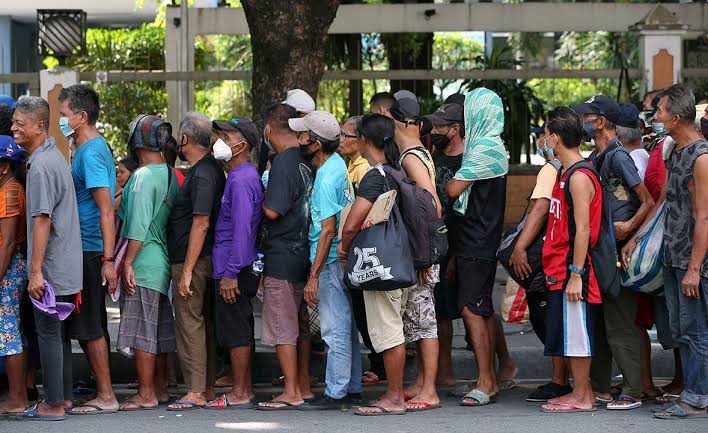
Photo from Philippine Food Bank Foundation

Comments