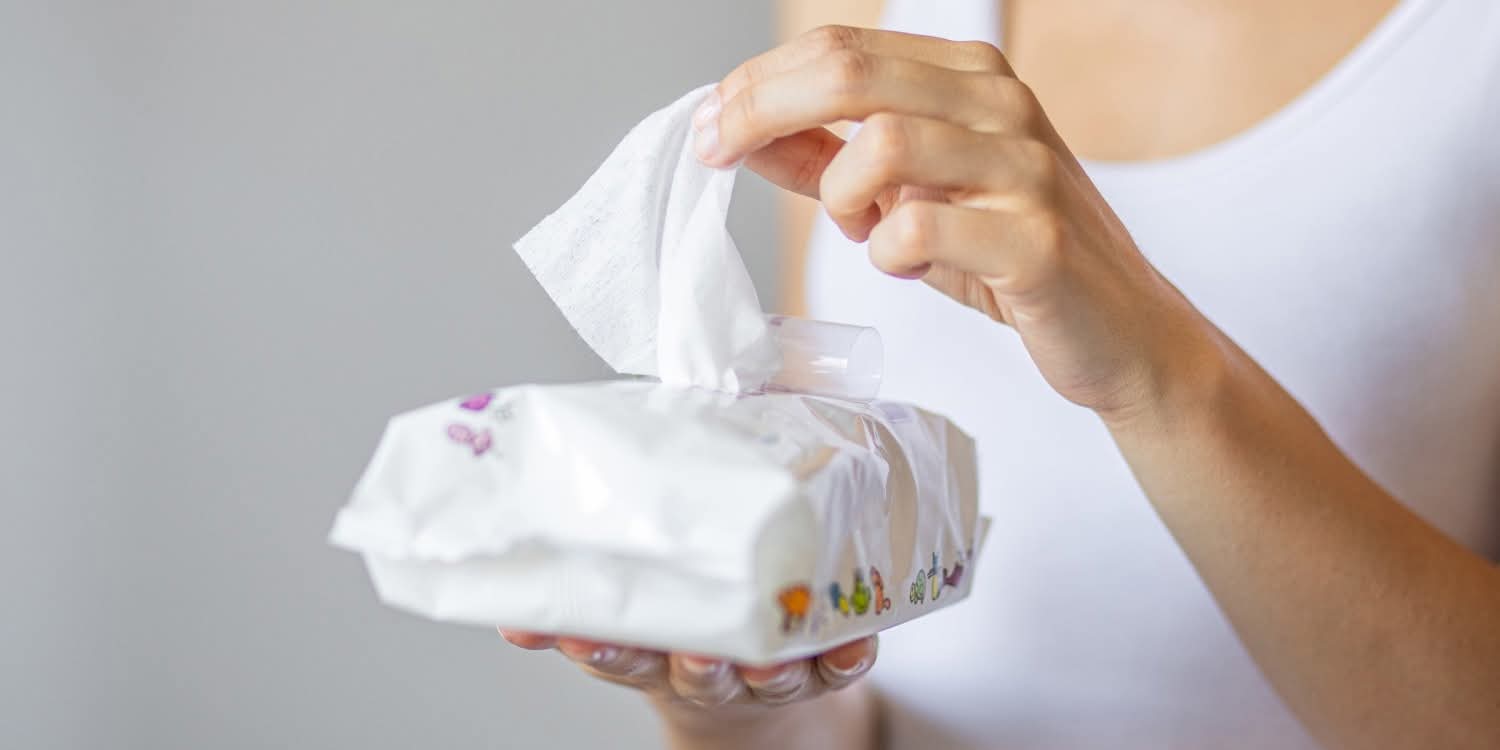
The EcoWaste Coalition and Arugaan have raised fresh concerns over the presence of allergenic preservatives in some wet wipes, warning parents and caregivers about the risk of allergic contact dermatitis among children.
The groups pointed to methylchloroisothiazolinone (MCI) and methylisothiazolinone (MI), preservatives used in personal care products that are recognized as potent causes of allergic contact dermatitis.
These chemicals have been banned in leave-on cosmetics due to their sensitizing properties, particularly for young and sensitive skin.
Citing the Philippine Dermatological Society, the groups explained that contact dermatitis “is skin inflammation or eczema that is triggered by substances that come in contact with the skin.”
Such substances may be a chemical, biological, or physical agent.
They emphasized that infants and small children are especially vulnerable because of their delicate skin and frequent exposure to hygiene products.
Regular use of wet wipes containing sensitizing ingredients may increase the likelihood of skin irritation, redness, itching, or eczema.
To reduce exposure, EcoWaste and Arugaan encouraged parents to prioritize basic hygiene practices such as using lukewarm water, mild soap, and cotton balls when cleaning a baby’s hands, mouth, and bottom.
Wet wipes, they said, should only be used when water is not available.
If parents choose to use wet wipes, the groups advised selecting products with valid authorization from the Food and Drug Administration.
Consumers were urged to verify products through the FDA’s online product verification portal before purchasing.
They also reminded buyers to carefully read product labels and avoid wipes that list methylchloroisothiazolinone and methylisothiazolinone as ingredients.
Products that fail to disclose their full ingredient list or do not indicate an expiry date should be rejected.
In addition, the groups recommended choosing alcohol-free and unscented wipes, avoiding application on broken or irritated skin, and rinsing the skin with water after using wipes to remove possible chemical residues and lower the risk of allergic reactions.
Beyond health considerations, EcoWaste and Arugaan highlighted environmental concerns linked to improper disposal of used wipes.
They warned that discarding wipes in toilets or drainage systems can clog pipes, contaminate recyclable materials, and contribute to worsening ocean debris.
The EcoWaste Coalition said it has formally informed the Food and Drug Administration about what it described as a breach of the MCI/MI ban in leave-on cosmetics and has requested the agency to take appropriate action to safeguard young consumers from sources of allergic contact dermatitis.