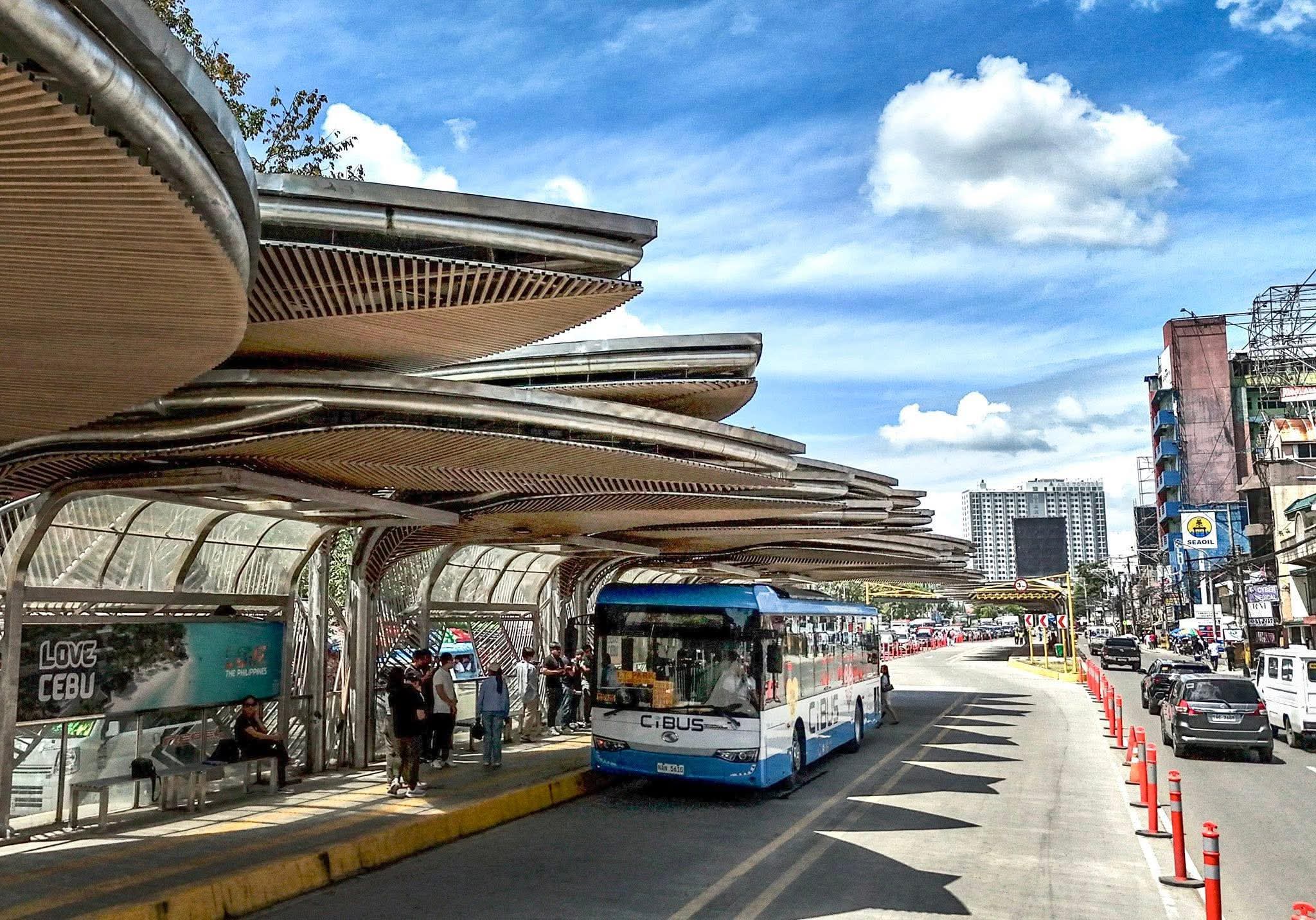
Cebu City has temporarily opened Bus Rapid Transit (BRT) lanes to both modern and traditional jeepneys, a move that has drawn criticism from a key project planner who warned it could undermine the system’s fundamental purpose.
The Cebu City Transportation Office (CCTO) confirmed that designated BRT lanes along major corridors, including N. Bacalso Avenue to Osmeña Boulevard, are now being shared with jeepneys as part of ongoing adjustments while the BRT system remains incomplete.
Civil engineer and urban planner Nigel Paul Villarete, who initiated planning for the Cebu BRT project in 2008, criticized the policy in a series of Facebook posts.
He emphasized that dedicated lanes are the backbone of any functional BRT system.
“The reason why Bus Rapid Transit works is because of dedicated lanes. Without those, they’re not rapid nor BRTs,” Villarete said, adding that such lanes should remain exclusive to buses, except for emergency vehicles like ambulances, fire trucks, and police.
Villarete also voiced concern over what he sees as growing acceptance of reverting to jeepney-dominated transport, cautioning that abandoning core design principles could derail decades of planning.
Mayor Nestor Archival defended the temporary arrangement, citing operational realities.
In an interview on Thursday, he said the move was prompted by the limited number of buses currently deployed and long waiting times between trips, which range from 20 minutes to as long as an hour—far from the expected five- to 10-minute frequency for a BRT system.
“It’s not rapid right now,” Archival admitted, noting that ideal conditions for a full BRT rollout have yet to be achieved.
He explained that allowing jeepneys to use BRT lanes helps ease traffic congestion and reduces fuel consumption for drivers who would otherwise remain idle on clogged roads.
The city is also using the period to test route configurations while awaiting completion of additional project phases.
Under the current setup, public utility vehicles have been separated from private vehicles along portions of the corridor, while passenger loading and unloading is gradually being shifted to designated stations.
Archival said this transition aims to curb long-standing “door-to-door” practices that contribute to traffic buildup.
“This is an advantage to everybody. It might be difficult right now,” he said, though he acknowledged that sharing lanes could dilute the system’s intended benefits if bus frequency remains low.
“How can it be rapid if the next bus arrives after 20 to 30 minutes or even an hour?” the mayor asked.
CCTO head Raquel Arce earlier announced on March 18 that the measure is temporary and may remain until subsequent phases of the Cebu BRT project are completed. (LLP)