Cebu City Mayor Nestor Archival has pushed back against claims that City Hall ordered tarpaulins and board-ups along the South Road Properties (SRP).
Archival said his only instruction was to clean the area, and that the decision to cover it was made by the Department of Public Works and Highways (DPWH).
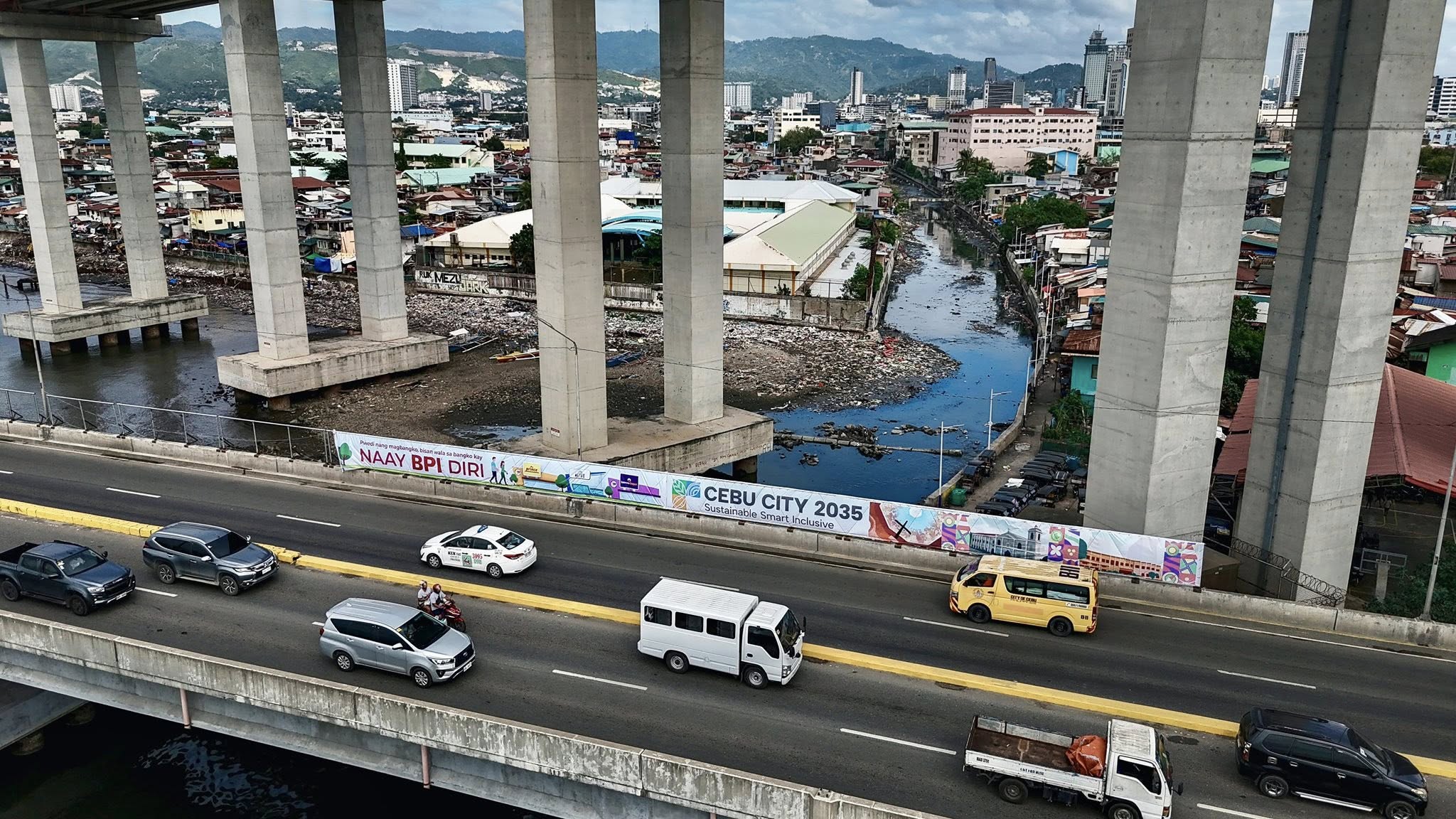
In an interview on Friday, January 30, the mayor said the city government did not direct the placement of the panels now lining parts of SRP facing Barangay Pasil, an area long associated with visible pollution and floating garbage.
“Ang decision nako is pagpanglimpyo lang gyud,” Archival said, stressing that covering the area was never part of his order.
He explained that DPWH officials told the city they could not complete a full cleanup within the limited time available, even with heavy equipment on site.
According to the mayor, DPWH informed him that “bisan naa silay upat ka backhoe, dili nila makaya” to finish clearing the area in just a few days.
When concerns were raised about the unsightly conditions along the route, Archival said he suggested finding alternative ways to address the issue rather than simply drawing attention to it.
“One point is unsa may gusto nila ato tangtangon and ipakita na nila,” he said.
“But to clarify, dili na ni project sa syudad. Sa DPWH na ni nga project,” he added.
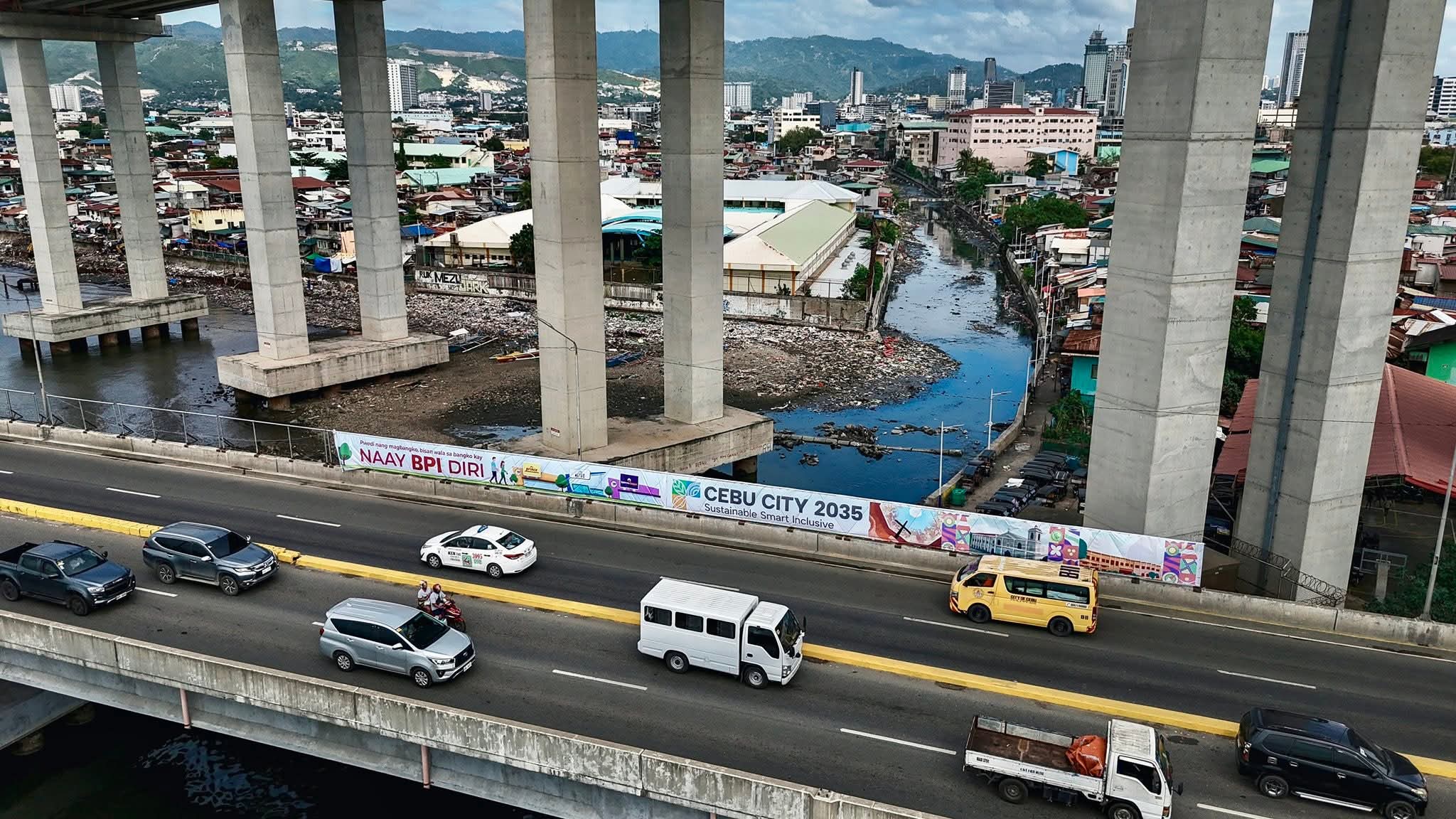
The tarpaulins and board-ups were first noticed earlier this week along a major SRP stretch leading to NUSTAR, where preparations are underway for ASEAN 2026 activities.
Critics said the coverings were meant to block delegates’ view of shores littered with garbage.
The covered area faces Barangay Pasil, a coastal community long dealing with river pollution, floating trash from upstream, and the lack of sustained rehabilitation programs.
Environmental advocates have called the installation a cosmetic fix that masks deeper, unresolved issues.
They say covering polluted areas does not address systemic problems such as poor waste management, informal settlements along waterways, and weak enforcement of environmental laws.
Groups continue to push for long-term, coordinated action involving national agencies, local governments, and affected communities, including improved waste infrastructure, regular river cleanups, and relocation and support programs for residents living along riverbanks. (LLP)
Photo by Jacq Hernandez
Board-Ups Rise Along SRP Ahead of ASEAN 2026, Drawing Environmental Concerns
Newly installed board-ups now line portions of South Road Properties (SRP) along a major route leading to NUSTAR, where preparations...
ASEAN delegates explore Old Cebu in heritage walk to promote city tourism
Cebu City showcased its historic roots on Wednesday as over a hundred ASEAN delegates joined a heritage walk through the...
Srp Drainage Master Plan Begins; Traffic Study Also In Full Swing
After years of flooding concerns and back-to-back traffic complaints at the South Road Properties, Cebu City is finally rolling out...