
Each January, the streets of Cebu erupt in a pulsating sea of color, sound, and movement. Millions chant “Pit Señor!” as elaborate contingents in shimmering costumes perform the iconic two-step forward, one-step backward dance. This is the Sinulog Festival as the world knows it today: a colossal, internationally-recognized spectacle.
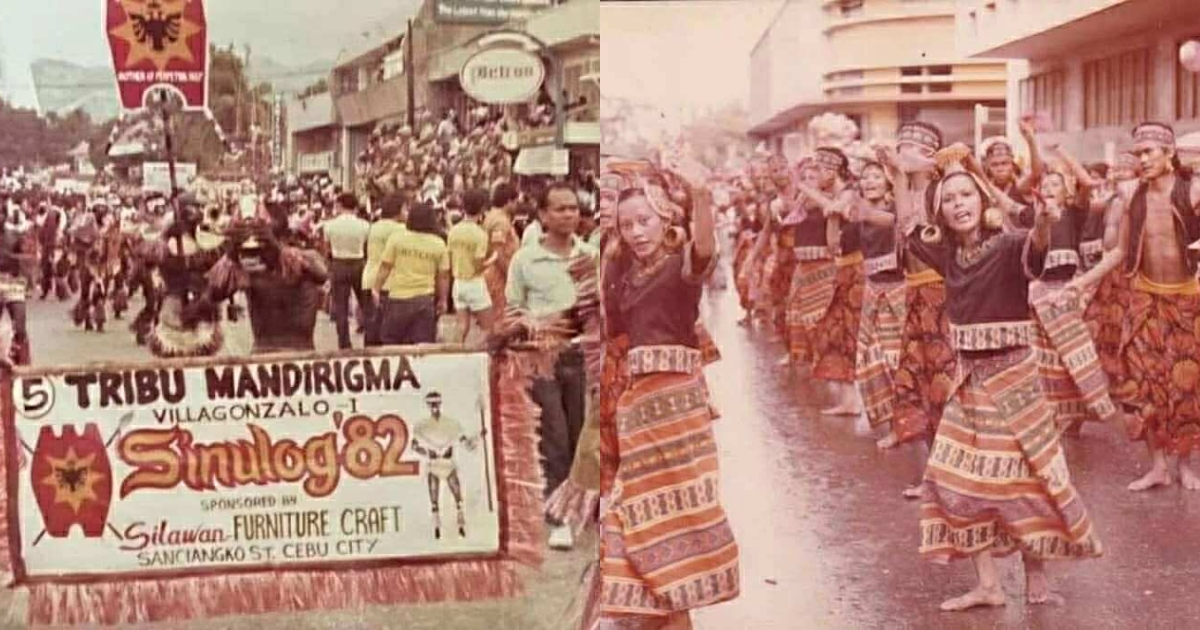
But rewind to 1980, and the scene was strikingly different. The genesis of what would become the Philippines’ grandest festival was not born from a desire for tourism or pageantry, but from a pure, communal vow to honor the Santo Niño.
Rooted in Faith, Inspired by Tradition
The conceptualization of Sinulog is credited to the late Cebu City Mayor Florentino Solon and the efforts of the Cebu City Historical Committee under David Odilao Jr. Their vision was to institutionalize the traditional devotion to the Sto. Niño, which had been practiced for centuries, into an organized city festival. Looking to the north, they drew inspiration from the vibrant and successful Ati-Atihan Festival in Aklan, aiming to create a uniquely Cebuano counterpart that celebrated both faith and pre-colonial history.
The Early Years: Simplicity and Solemnity
The first Sinulog in 1980 was a far cry from today’s mega-event. There were no grandstands, major sponsors, or television broadcasts. The procession and dance ritual were primarily religious activities. Participants were mostly students and members of local parishes.
Dancers, often barefoot as a sign of humility and sacrifice, performed on the streets with sincere devotion. Their movements were less choreographed for competition and more a personal offering of prayer. The music was provided by simple drumbeats and the chanting of prayers, not the powerful, complex brass and percussion ensembles heard today. Streets were adorned with simple buntings and the image of the Santo Niño, lacking the elaborate arches and commercial booths that now line the parade route.
The Core That Remains
Despite its meteoric growth, evolving to include glamorous pageants, high-stakes dance competitions, and massive concerts, the sacred heart of Sinulog continues to beat strongly. The festival remains, at its essence, a panaad (vow) or a panubli (offering). The fluvial procession and the solemn foot procession (Walk with Jesus) still draw the largest crowds of devout followers, for whom the festival is first and foremost a religious thanksgiving.
The evolution of Sinulog mirrors the journey of Cebu itself: embracing progress and global attention while steadfastly holding onto the traditions and faith that define its identity. From a simple, neighborhood devotion to a world-class festival, Sinulog’s story is a proof to how faith can inspire a celebration that unites an entire nation.

Comments