Cebu City is taking preventive measures against the Nipah virus despite having no confirmed cases locally or nationally, Mayor Nestor Archival said on Monday, February 2.
Archival said the city government will convene a special meeting with the local health board to assess available data and determine proactive steps.
An executive directive may be issued once protocols are finalized.
“We have to prepare for this. We need clear data to guide what actions we should take,” Archival said.
The mayor emphasized that sanitation and cleanliness remain a priority as the city awaits more detailed guidance from the national government on Nipah virus preparedness.
Currently, there is no comprehensive program or directive from the national government specific to the virus.
After discussions with health officials, Archival said the city may formalize its response through an executive order to align local protocols with evolving national and international health advisories.
The Bureau of Quarantine (BOQ) earlier confirmed that no Nipah virus cases have been detected in the Philippines as of January 31.
The bureau assured the public that border surveillance and screening measures remain in place at ports and airports nationwide.
BOQ officer-in-charge Dr. Roberto Salvado said passengers arriving from abroad, including from India where recent cases were reported, are being monitored through 24/7 screening protocols.
He added that the bureau is strengthening surveillance through the e-Travel system, which tracks passengers’ travel history and declared health information for border control and monitoring.
The Department of Health (DOH) also reiterated that proactive screening measures—including online health declarations, thermal scanning, and visual assessment of arriving passengers—are being implemented nationwide.
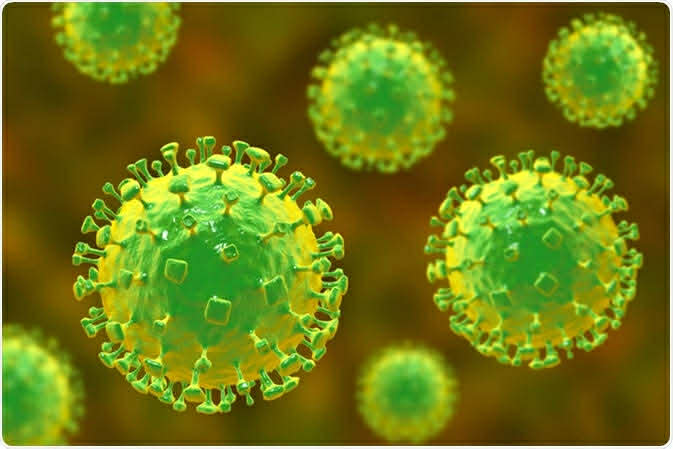
What is the Nipah virus?
According to the World Health Organization (WHO), the Nipah virus is a zoonotic disease that can spread from animals to humans, as well as through contaminated food and close contact between people.
Humans can become infected through direct contact with infected animals such as bats, pigs, or horses, or by consuming fruits or fruit products contaminated by fruit bats, which are considered the virus’ natural host.
The incubation period typically ranges from three to 14 days, though rare cases have shown delays of up to 45 days.
While some individuals remain asymptomatic, most develop fever and may experience neurological or respiratory complications.
Common symptoms include headache, confusion, breathing difficulty, cough, chills, extreme fatigue, dizziness, vomiting, and diarrhea.
Severe cases may progress to encephalitis, brain swelling, and death.
Virus Last Seen in PH in 2014
The Nipah virus was first identified in 1998 during an outbreak among pig farmers in Malaysia.
In the Philippines, the last recorded cases were reported in 2014 in Sultan Kudarat, where 17 infections were documented.
Since then, no cases have been detected in the country, with the DOH consistently describing the virus as “rare.”
Recent confirmed cases in West Bengal, India, have prompted heightened vigilance across Asia, with several countries tightening monitoring measures at major airports.
Preventive Measures Urged
The WHO recommends basic preventive measures such as washing and peeling fruits before consumption, discarding fruits with bite marks, wearing protective gear when handling sick animals, and seeking early medical care for symptoms.
It also advises frequent handwashing, avoiding close contact with infected individuals, and strict infection control measures in healthcare and farm settings.(LLP)