

Cebu City Vice Mayor Tomas Osmeña has asked the Supreme Court to stop the ongoing redevelopment of the Carbon Public Market.
He elevated his legal challenge against the joint venture agreement (JVA) between the city government and Megawide Construction Corp. after a lower court dismissed his earlier petition on procedural grounds.
Osmeña’s petition, endorsed to the Cebu City Council and included in its agenda on Tuesday, February 3, seeks to overturn the ruling of the Regional Trial Court of Cebu City, Branch 58, which dismissed his case without ruling on the merits of the agreement.
Filed on January 16, 2026, the petition is a direct appeal by certiorari under Rule 45. Osmeña raises questions of law and asks the Supreme Court to issue a temporary restraining order to stop the project’s implementation.
He filed the case as a citizen, taxpayer, and former Cebu City mayor, questioning the legality and constitutionality of the JVA that allows Megawide and its implementing arm, Cebu2World Development Inc., to redevelop and operate Carbon Market, the country’s oldest public market.
Respondents named include the City Government of Cebu, former mayor Michael Rama, the Sangguniang Panlungsod, the City Legal Office, several former city officials involved in the project’s approval, and Megawide officials.
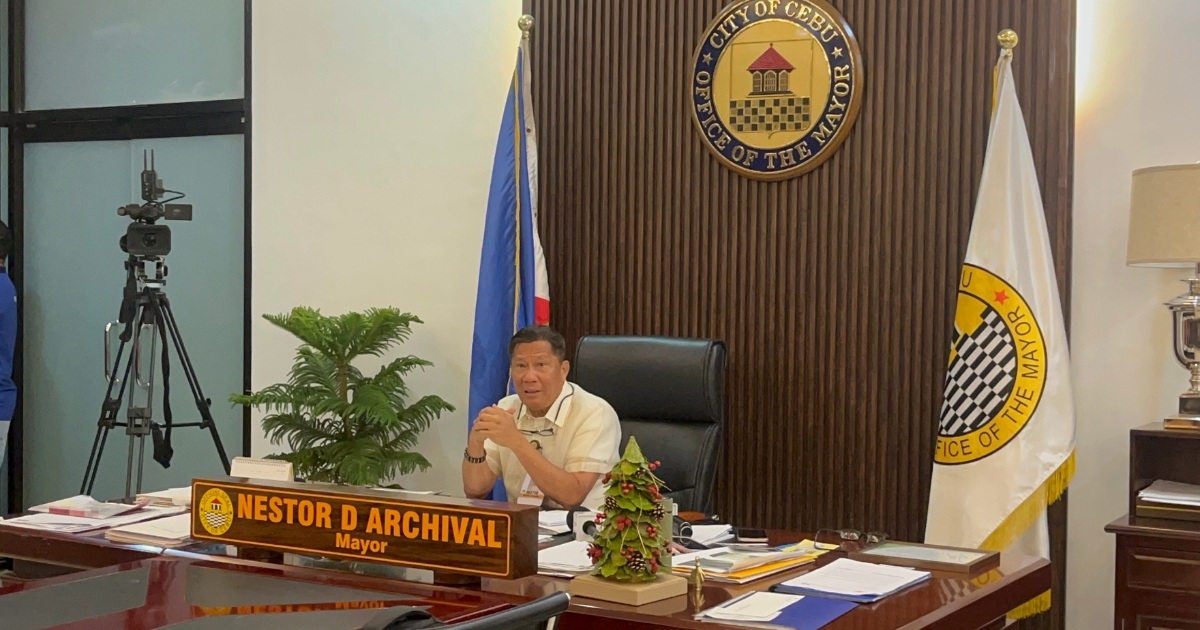
Incumbent Mayor Nestor Archival was impleaded as a nominal party respondent in his official capacity, although Osmeña noted that Archival opposed the JVA during his term as a city councilor.
The case stems from the trial court’s dismissal of Osmeña’s earlier petition on the ground of litis pendencia, or the pendency of another case involving similar issues.
Osmeña argued that the court erred by refusing to rule on the substantive issues, maintaining that his petition involves matters of public interest and judicial review, not private rights.
Citing Supreme Court jurisprudence, he said multiple petitions questioning the legality or constitutionality of a government act are allowed when issues involve public concern, and that doctrines of forum shopping and litis pendencia do not apply.
At the core of the petition, Osmeña claims the JVA and Megawide’s unsolicited proposal are illegal and unconstitutional, and that the agreement is grossly disadvantageous to Cebu City.
He argued the city is guaranteed only about P50 million annually under the deal, lower than the revenue Carbon Market generated on its own before redevelopment.
Osmeña also claimed the project violates City Ordinance No. 2154, which requires major commercial developments to be located at the South Road Properties to protect the city’s multibillion-peso investment there.
He further questioned the city’s authority to transfer control over the project site, alleging that more than seven hectares may belong to the national government.
The petition likewise assailed how the JVA was approved, alleging the City Council ratified the lengthy agreement in a single day without sufficient time for lawmakers to study it.
Osmeña highlighted the impact on small vendors, noting the redevelopment could demolish existing market structures and eventually eliminate Carbon’s long-standing 24-hour “farmer’s market,” which allows small traders to sell directly to consumers.
He stressed his petition is distinct from previous lawsuits filed by vendor groups, which focused on personal or labor-related claims.
Osmeña is invoking the court’s power of judicial review to protect public interest and hold government actions to constitutional and legal standards.
In his petition, Osmeña asked the Supreme Court to immediately stop all construction through a temporary restraining order and to declare the JVA void.
He also sought an order directing the developer to restore demolished market structures at its own expense should the agreement be invalidated.
The Supreme Court has yet to act on the petition. (LLP)