The controversy surrounding the redevelopment of Carbon Public Market is intensifying.
Cebu City Councilor Sisinio Andales is urging an executive session to review the joint venture agreement (JVA) amid a silent vendor protest and a rare legal challenge filed by the city’s vice mayor before the Supreme Court.
Andales, also the Minority Floor Leader, said recent events point to growing unease over the Megawide-led project and unresolved questions about its legality, transparency, and impact on small vendors.
In a privileged speech on February 10, Andales cited both the quiet rally staged by Carbon vendors and Vice Mayor Tomas Osmeña’s Supreme Court petition as warning signs that the project is losing public confidence.
“Our city witnessed an event that should give every one of us pause—a silent, peaceful rally,” Andales said. “It was not merely an expression of opinion, but a manifestation of deep-seated anxiety and long-unanswered questions.”
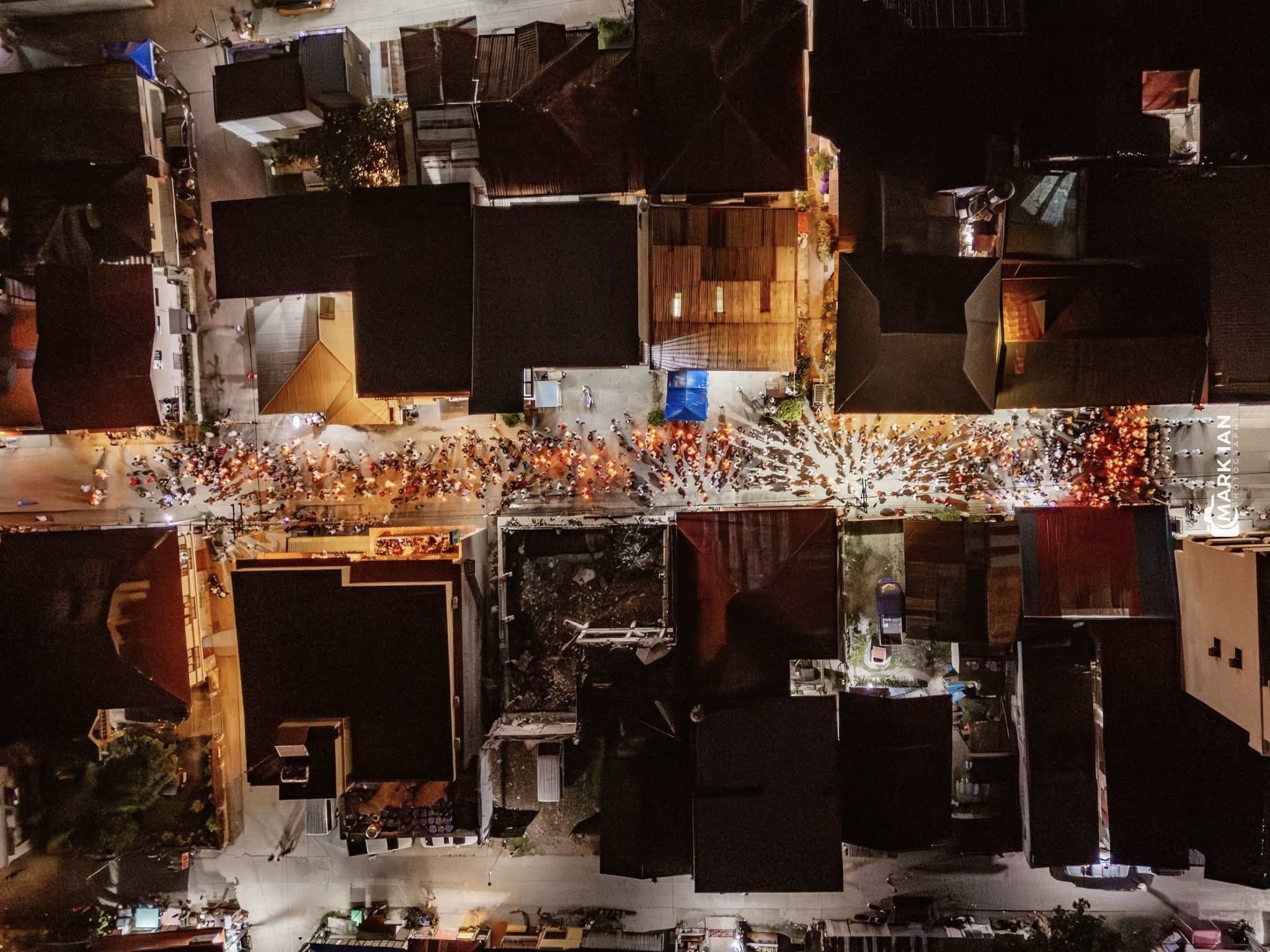
Last week, vendors gathered at Carbon Public Market in a silent demonstration against the redevelopment, voicing fears of displacement and rising costs.
Days earlier, Osmeña filed a petition questioning the legal foundation of the JVA governing the project.
Andales said the two developments are linked.
“The quiet protests of the people and the loud legal challenge from a high-ranking official are not coincidental,” he said. “They are symbiotic symptoms of a crisis of transparency, accountability, and consensus.”
He added that Osmeña’s petition raises potential infirmities in a contract that will shape the future of the city’s oldest and most iconic public market.
“This is not a mere procedural objection,” Andales said. “It is a clarion call alleging potential infirmities in a contract that binds the future of our city’s most iconic public market.”
The councilor stressed that the City Council, as representatives of the people, must confront these concerns directly.
“When our constituents speak in silence and when our own Vice Mayor raises fundamental legal questions, we have a sovereign duty to listen,” he said.
Andales outlined key issues he wants examined in an executive session: the legal grounds of the Supreme Court petition and its implications for the JVA; whether vendor and community concerns are being addressed; the current financial and operational status of the project; and whether safeguards for public interest, fair compensation, and heritage preservation are being honored.
“These issues cannot be addressed through sound bites or piecemeal reports,” he said, arguing that the legal complexity and emotional weight require a focused, confidential discussion.
He urged the Council to invite key stakeholders, including representatives of the joint venture partners, the City Legal Office, leaders of legitimate vendor associations, and heritage and civil society groups. Andales also proposed revisiting the JVA itself if warranted.
“We must ensure that the soul of Carbon Market—its character and its community—is not lost in the concrete of development,” he said. “The silent rally is a warning we ignore at our peril. The legal petition is a challenge we dismiss at our own liability.”
The councilor’s call comes as vendor opposition resurfaces following an announcement that new market fees will soon be collected.
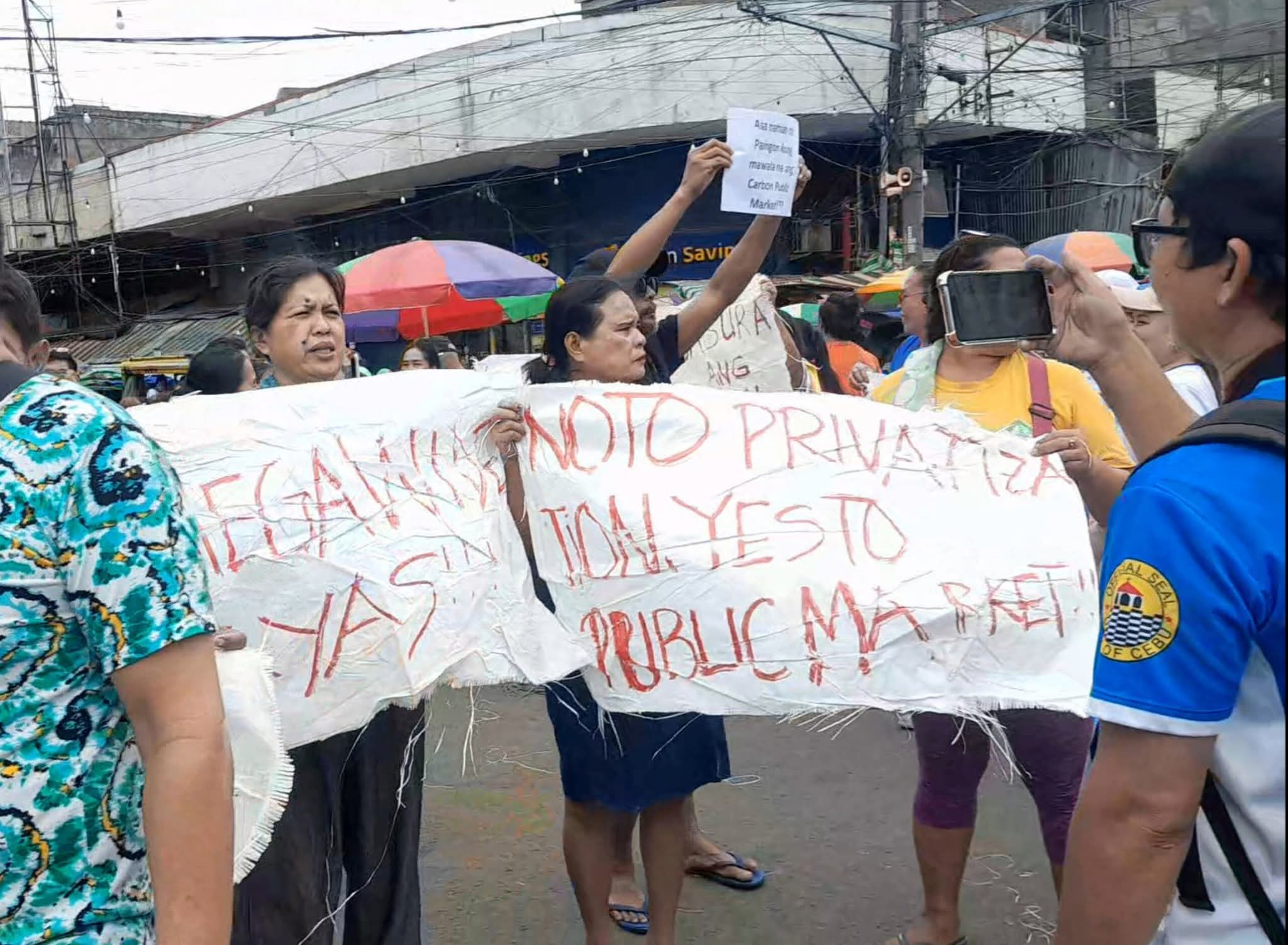
On February 5, vendor groups led by the Carbonhanong Alliance marched from MC Briones Extension to the Interim Market Building, renewing calls to halt the redevelopment.
They said the project effectively privatizes a public market and threatens the survival of small-scale sellers.
The redevelopment is being implemented through a public-private partnership between the Cebu City Government and Cebu2World Development Inc. (C2W), a subsidiary of Megawide Construction Corp.
The agreement has been controversial since its approval in 2021.
C2W informed Mayor Nestor Archival that it will begin collecting market fees on February 15, covering regular stallholders and recognized ambulant vendors.
In a January 27 letter, the company said the collection is authorized under the JVA and City Ordinance 2719, which revised market fee rates. It also proposed a three-month transition period to help vendors adjust.
Vendor leaders, however, warned that the new fees confirm their worst fears.
“This is no longer a public market,” said Erwin Goc-ong, president of the Cebu Market Vendors Multi-purpose Cooperative (Cemvedco). “The rules and costs are designed for malls, not for a public market where poor vendors sell small volumes just to survive.”
Under the amended market code, stall rent is set to rise from P8.50 to P21 per stall in 2026. Vendors are also concerned about new charges on goods entering the market and restrictions on long-standing practices, such as the use of personal carts and outside ice.
Goc-ong questioned whether a private company can legally collect market rentals, citing provisions of the Local Government Code that reserve such authority for local governments.
Vendor groups also argued that the new rules apply only to Carbon Public Market, making them discriminatory.
They welcomed Osmeña’s Supreme Court petition, saying it reinforces claims that the JVA is disadvantageous to both vendors and the city. (LLP)
Photo from Carbon-hanong Alyansa