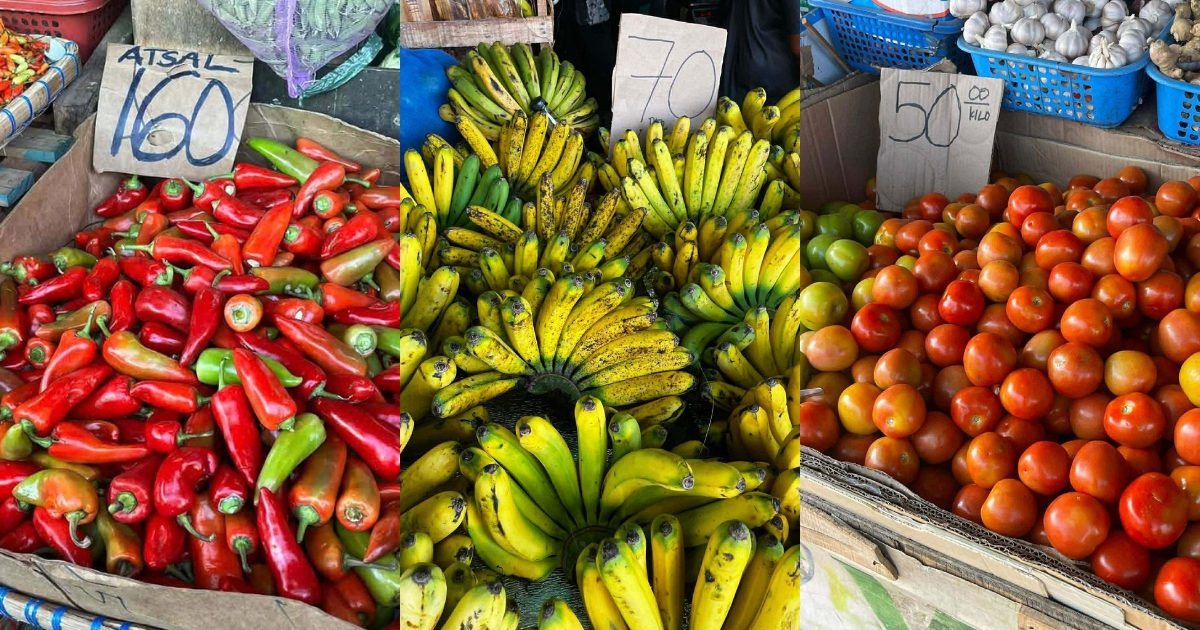
Local government leaders across Cebu Province are moving to strengthen price monitoring mechanisms following a call from Governor Pamela Baricuatro to tighten consumer protection and guard against possible profiteering.
At least 25 city and municipal mayors signified their willingness to reactivate their Local Price Coordinating Councils (LPCCs), a step aimed at improving oversight of the prices of basic goods and services in their respective areas.
The commitment emerged during a meeting at the Provincial Capitol on March 12, where local chief executives discussed ways to enhance price surveillance and prevent unjustified increases in essential commodities.
Baricuatro urged local governments to take the lead in monitoring markets and enforcing price regulations, stressing that local authorities have the mandate to sanction establishments found violating price control rules.
“If makita nila nga nagkahiusa ta, and naa tay mga price monitoring councils, deterrent gyod ni siya sa pagtaas sa presyo. Kamo ang pwedi mosilot ani nila,” Baricuatro said.
She said reactivating LPCCs could serve as a preventive measure against price manipulation, particularly as global developments may influence the cost of essential goods in the country.
Officials raised concerns about potential price fluctuations linked to international events, including tensions in the Middle East that could affect the supply and pricing of fuel and other commodities.
Strengthening the local price councils, they added, would allow quicker verification of complaints and more efficient monitoring of public markets, groceries, and other retail establishments across the province.
Cesar Suan, mayor of Cordova and head of the provincial chapter of the League of Municipalities of the Philippines, said local chief executives are expected to formalize the initiative during a meeting scheduled early next week. He said mayors are targeting Tuesday to fully reactivate LPCCs in their municipalities once the plan is finalized.
The councils will work closely with national agencies such as the Department of Trade and Industry, Department of Agriculture, and Department of Energy to monitor supply levels and pricing trends.
During the meeting, officials from the Department of Trade and Industry reported that only 11 local government units in Cebu have so far reactivated their price coordinating councils.
Airene Abapo of the DTI said the agency welcomes the commitment of the mayors but stressed that stronger enforcement and consistent monitoring in public markets and retail outlets will be necessary. She reminded local officials that establishments taking advantage of market conditions by imposing excessive price increases may face sanctions.
Despite the concerns, Abapo assured consumers that supplies of basic goods remain stable, with most items still being sold within the government’s Suggested Retail Prices. She also urged the public to remain calm and avoid panic buying, noting that the country currently maintains a buffer stock of essential commodities that can last for about three months.
Meanwhile, the provincial government plans to consolidate supply and price monitoring reports and share regular updates with local leaders to guide enforcement actions and identify possible violations.
Energy officials also appealed to local governments to help monitor fuel stations, citing limited manpower within the Department of Energy to conduct inspections across the region.
Renante M. Sevilla of the Department of Energy explained that nearly 90 percent of the country’s fuel supply is imported, much of it sourced from the Middle East, making local fuel prices sensitive to global developments.
“We will tap the LGUs for assistance. Daghan man gud ni among adtuon so dili gud na mo kayahon tanan,” Sevilla said.
He added that the DOE is also looking into complaints about fuel stations allegedly refusing to sell fuel to fisherfolk, noting that companies have already been reminded to accommodate legitimate buyers who can present proper identification.
Authorities also encouraged consumers to report price-related complaints through the eGov PH Super App, which allows agencies to track concerns such as sudden price hikes or fuel supply issues in real time. (SBA)