
Thousands of Cebuanos who use the Cebu South Coastal Road (CSCR) every day may soon be traveling along a road bearing a historic political name instead of a geographic one.
A proposed ordinance to rename the CSCR to “Sergio Osmeña Jr. Boulevard Extension” advanced at the Cebu City Council this week.
Councilor Sisinio Andales filed the measure during the council’s regular session. Councilor Paul Labra seconded the motion. The proposal has been referred to the Committee on Laws, Urban Planning, and the Cultural and Historical Affairs Commission (CHAC) for review.
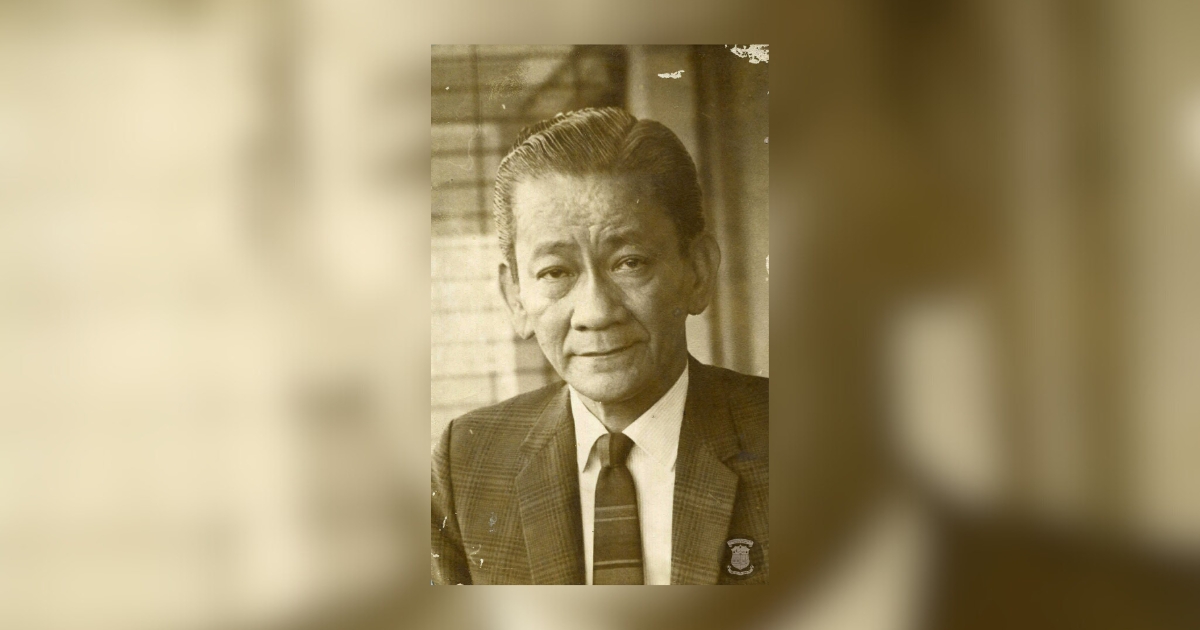
The ordinance cites the legacy of Sergio “Serging” Veloso Osmeña Jr., who was born in Cebu on December 4, 1916. Osmeña Jr. served as a senator, Cebu governor, Cebu City mayor for three terms, and representative of Cebu’s 2nd District. He also held various national positions throughout his political career.
It also highlights several achievements. He was named one of the Ten Most Outstanding Congressmen of 1959 by the Congressional Press Club. He made a historic run for the presidency in 1969 as the Liberal Party standard-bearer against then-President Ferdinand Marcos.
Under the proposed ordinance, the entire stretch commonly known as the Cebu South Coastal Road—including the South Road Properties and the link to the existing Sergio Osmeña Jr. Boulevard—would be officially renamed “Sergio Osmeña Jr. Boulevard Extension.”
If approved, the name change will apply to all official documents, maps, and government records. The city government will also be required to install new road signage “within a reasonable period.”
The CSCR is one of the city’s busiest roads. It serves as a daily route for workers, students, and businesses traveling between southern Cebu and the urban center.
The proposal also includes a detailed historical profile of Osmeña Jr., recounting key and sometimes controversial chapters of his life.
He graduated cum laude from Ateneo de Manila University in 1935 and summa cum laude from New York University in 1936. After his studies, he opened an import-export business in New York before returning to the Philippines.
During World War II, he collaborated with the Japanese occupation government—an episode later used against him politically.
Osmeña Jr. later rose through public office. He served as Cebu governor in 1951, became a three-term Cebu City mayor, and was elected congressman and senator. He ran for vice president and later became the Liberal Party’s presidential nominee in the 1969 election. He never conceded defeat.
He survived the Plaza Miranda bombing in 1971, a pivotal moment in the country’s political history. When Martial Law was declared, he went into exile in the United States along with other Liberal Party leaders.
Osmeña Jr. was married to Lourdes de la Rama and had five children. He died in Los Angeles in 1984 at 67.
His legacy is already visible in Cebu through the main Sergio Osmeña Jr. Boulevard and a life-size statue installed in Plaza Sugbu in 2014, designed by National Artist for Sculpture Eduardo Castrillo. (LLP)

Comments