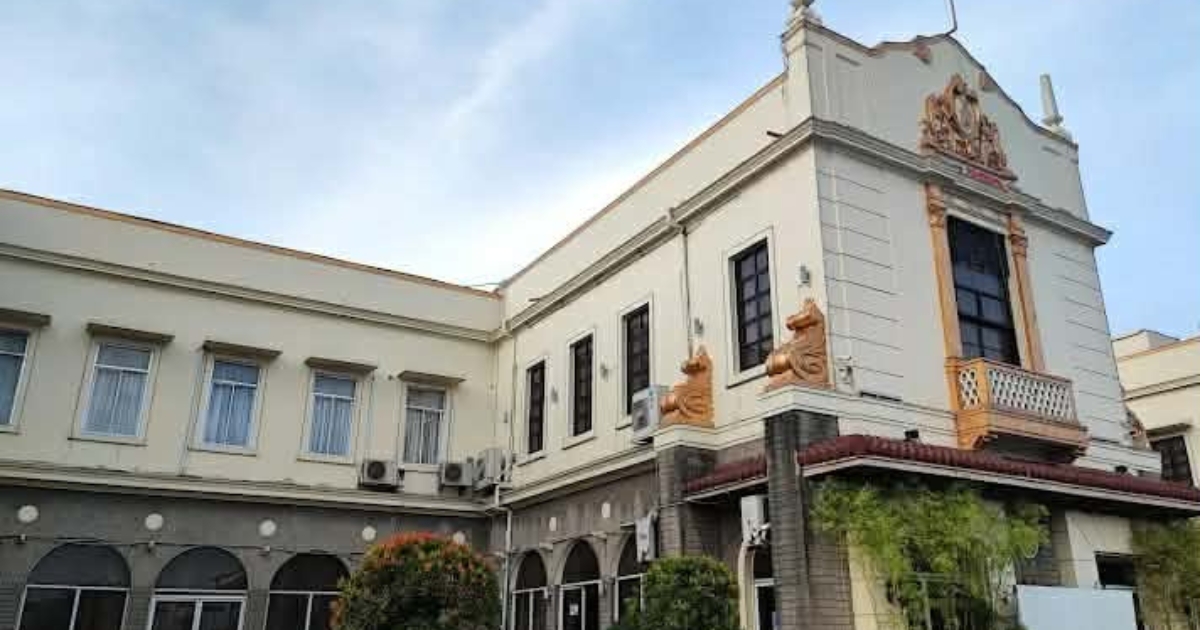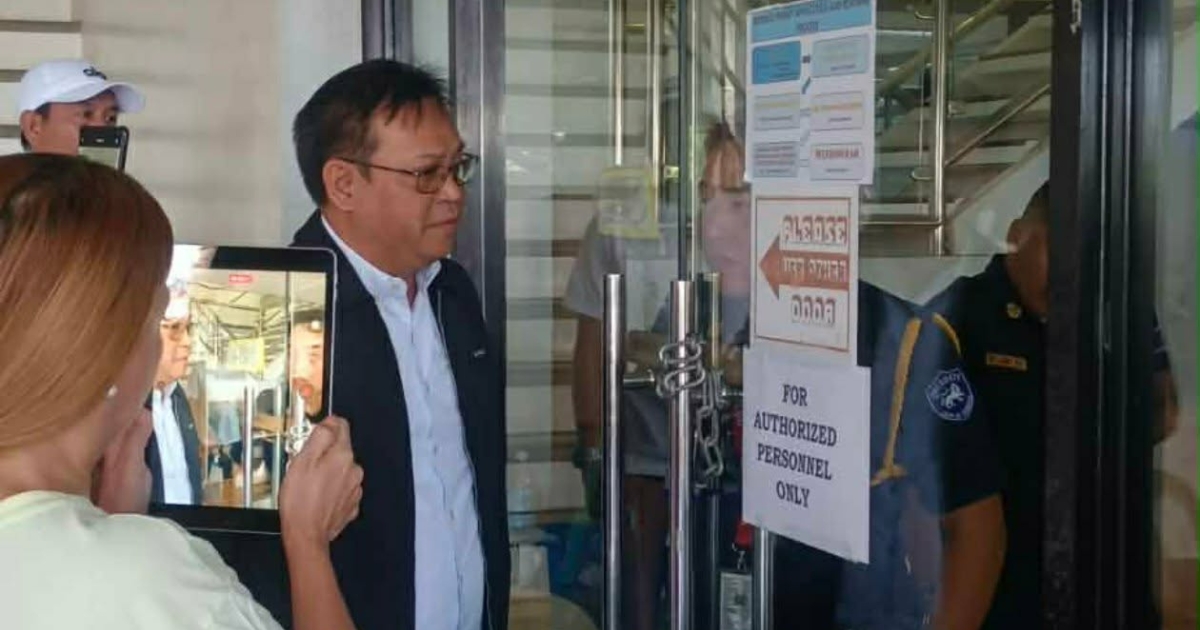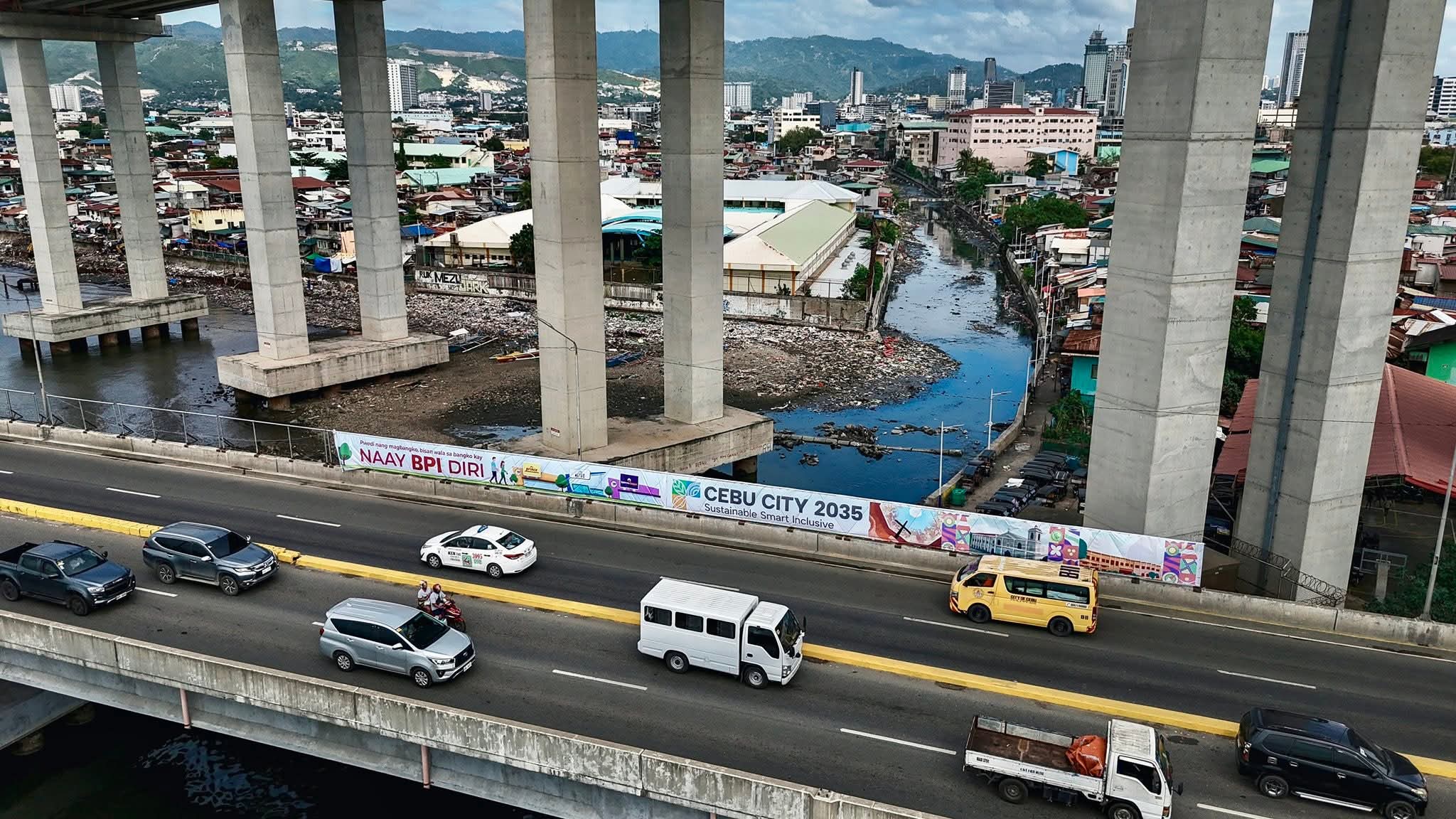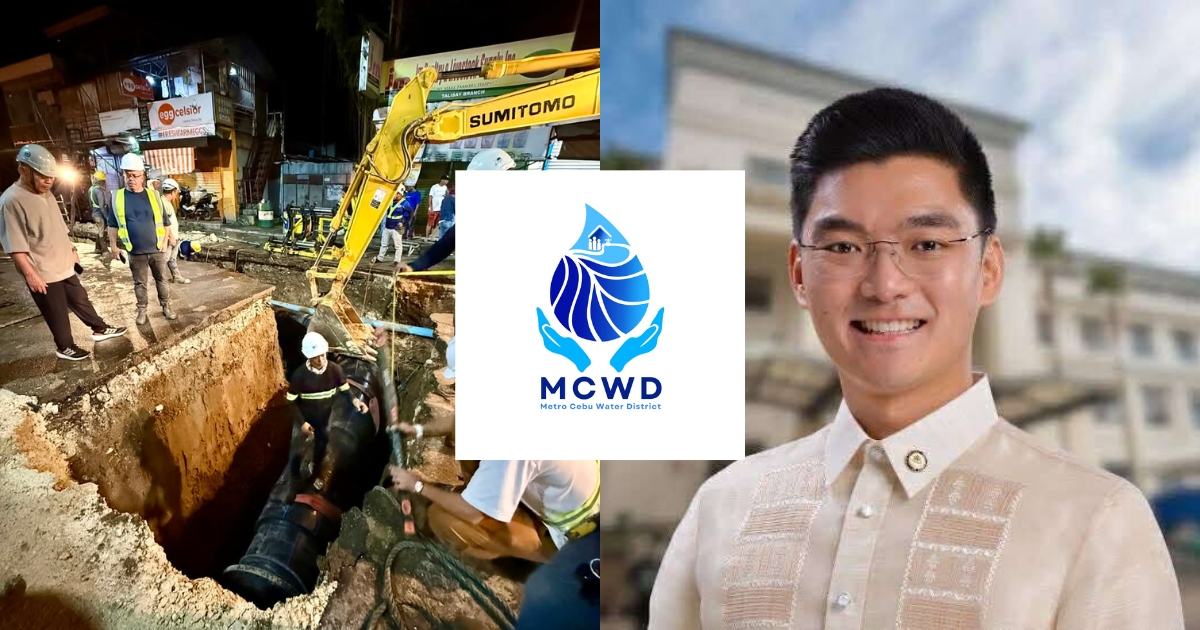
Even as thousands of Cebu City residents continue to line up for water more than a month after Typhoon Tino, the Metropolitan Cebu Water District (MCWD) on Friday defended its response.
They pushed back against allegations of a “slow’’ and “uneven’’ effort and highlighting a three-week restoration feat under catastrophic conditions.
In a press statement released on December 12, MCWD addressed Councilor Harold Go’s privilege speech earlier this week, in which he described the agency’s performance as “unacceptable” and criticized the district for allegedly failing to respond efficiently to the widespread water shortage.
MCWD said it welcomes scrutiny but emphasized that the scale of destruction—particularly at its Jaclupan source—was unprecedented and far beyond normal repair timelines.
Damage at Jaclupan
The agency said assessment teams were deployed within hours after Typhoon Tino’s landfall and quickly identified the crisis’ core: a 2.6-kilometer section of its 800-mm Jaclupan transmission line, one of its largest in-house sources, had been swept away by the Mananga River.
MCWD described the loss as “catastrophic,” noting that under normal conditions, rebuilding the pipeline would take six months or more.
To prevent months-long outages, MCWD partnered with private supplier Watermatic–Tubig Pilipinas, which had recently installed a parallel pipeline.
Watermatic allowed MCWD to use the line for free and undertook round-the-clock interconnection work at no cost.
The bypass was technically challenging. MCWD’s steel pipeline and Watermatic’s HDPE line required custom connectors, which were not readily available in the country, a factor that typically delays projects for months.
Despite these hurdles, MCWD said water supply was restored in three weeks—a timeline it described as “extraordinary” given the extent of the damage.
‘Bypass was the only solution’
MCWD added that Watermatic engineers confirmed the Jaclupan line was “completely destroyed and rendered unusable,” and that a bypass connection was the only feasible immediate solution.
The agency said MCWD’s engineering team worked around the clock with Watermatic, and the completed interconnection’s speed was deemed “exceptional by industry standards.”
Except for Jaclupan, all other in-house sources were restored within days.
The Lusaran plant, operated by JE Hydro, remained offline longer due to severe damage, difficult terrain, and prolonged power outages. Coordination with the supplier continues.
MCWD questions criticism
While avoiding direct confrontation, MCWD expressed surprise at Go’s criticism, noting that the councilor visited affected sites multiple times and saw the debris-covered terrain and workers operating in flood-soaked conditions day and night.
The district said it was “unsure where these criticisms are coming from or what prompted them” but emphasized respect for Go’s role as an elected official.
MCWD also clarified that despite board vacancies, operations continued in line with Presidential Decree 198 and basic services “were never hampered.”
The agency reiterated its openness to audits, executive sessions, and coordination with City Hall and national agencies.
Upgrades underway
Even as repairs continue, MCWD is implementing its 2026 infrastructure program, including 44 expansion projects covering 43 kilometers of new pipelines worth P556 million and 70 non-revenue water reduction projects worth P242 million, involving pipeline rehabilitation and equipment upgrades.
The agency said these investments aim to strengthen service reliability across Metro Cebu.
Go’s concern
Councilor Go issued strong remarks as upland and north district communities continue to rely on water tankers and rationing 35 days after Tino.
He raised concerns about manpower deployment, contractor performance, system redundancy, and unclear restoration timelines.
He said upland communities may have been unintentionally deprioritized, and that his office had to source electrical contact grease from Luzon, coordinate tanker deliveries, and conduct nighttime inspections.
Go also criticized MCWD for operating without a full board, arguing that the lack of quorum prevented the agency from legally approving contracts and major actions.
“MCWD currently does not have the minimum number of board members required to legally pass resolutions, approve contracts, or authorize major actions,” he said, adding that the district has not had an approved safety plan for three years.
To address the crisis, Go proposed calling an executive session with MCWD to review restoration timelines, technical issues, and contingency measures, alongside other national and local agencies. (LLP)

Councilor Seeks Probe Into Mcwd Delays As Thousands Endure 35 Days Without Water
With thousands of Cebu City residents still queueing for water more than 30 days after Typhoon Tino, a city councilor...