A bill seeking to remove travel taxes imposed on Filipinos departing the country has been filed in the House of Representatives, a move its author says could ease costs for travelers and support freer mobility.
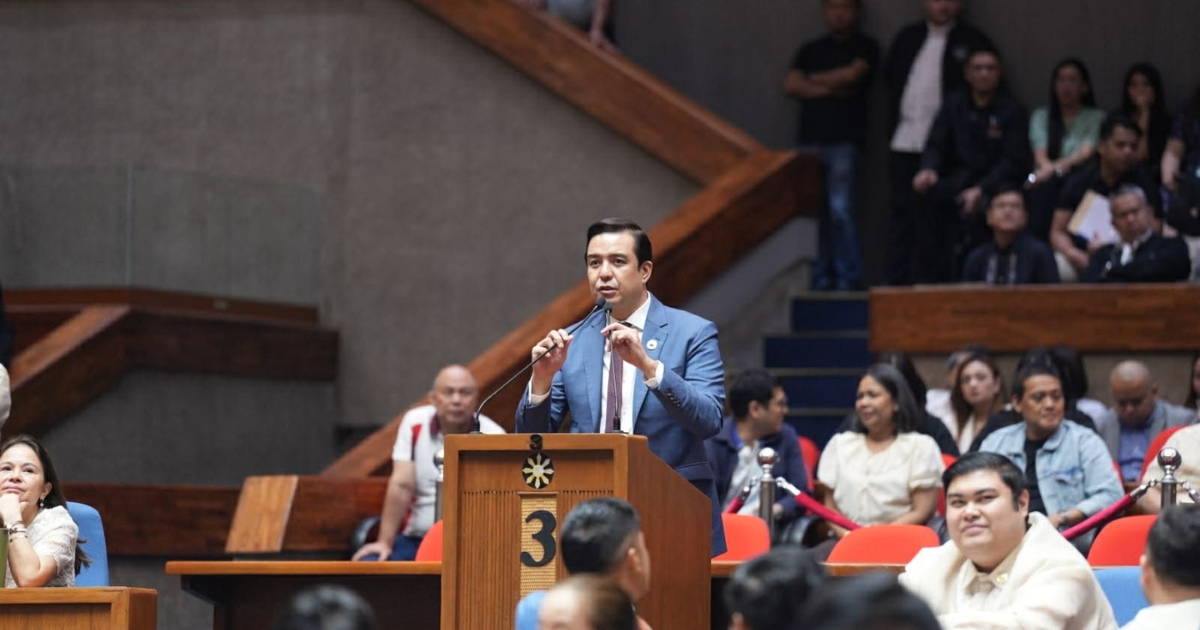
House Deputy Majority Leader and Cebu City South District Representative Eduardo “Edu” Rama Jr. filed House Bill No. 7367 on Tuesday, January 27, 2026, proposing the abolition of the travel tax for Filipino nationals.
In the bill’s explanatory note, Rama said the measure is intended to lift what he described as an “undue financial burden” on families, students, senior citizens, and overseas Filipino workers, arguing that the tax limits the public’s ability to travel.
“All Filipinos must be able to travel freely, without undue financial or regulatory hindrance,” Rama said.
Under existing regulations, departing passengers are required to pay travel taxes ranging from P300 to P2,700, depending on flight class and eligibility for reduced rates.
First-class travelers are charged P2,700, while economy passengers pay P1,620. Reduced rates are set at P1,350 for first class and P810 for economy, while OFWs pay P400 for first class and P300 for economy.
Rama said these charges can become a significant expense, particularly for families or groups traveling for employment, education, or personal reasons.
The proposed measure also cites the Philippines’ obligations under the 2002 ASEAN Tourism Agreement, which encourages member states to promote regional travel and gradually remove travel-related taxes among ASEAN nationals.
Rama also referenced Memorandum Order No. 29, which grants travel tax exemptions to passengers departing from Mindanao and Palawan airports bound for Brunei, Indonesia, and Malaysia under the BIMP-EAGA framework.
According to the bill, lowering travel costs could help boost mobility, tourism, and broader economic activity.
At present, revenues collected from travel taxes fund programs of the Tourism Infrastructure and Enterprise Zone Authority, the Commission on Higher Education, and the National Commission for Culture and the Arts.
Rama said these initiatives could instead be supported through regular government appropriations.
If enacted, the measure would end the collection of travel taxes on airline tickets issued after the law’s effectivity and repeal Presidential Decree No. 1183 along with related issuances.
The bill has been referred to the House of Representatives for committee evaluation and plenary deliberation.