For many Filipinos rushing to catch a flight for work, family emergencies, or long-planned reunions, the cost of travel may soon come down.
Malacañang on Tuesday said President Ferdinand R. Marcos Jr. has included the proposed abolition of the travel tax among the 21 priority legislative measures endorsed under the Legislative-Executive Development Advisory Council (LEDAC).
Palace Press Officer Claire Castro said the President wants to ease the financial burden on travelers, noting that Filipinos travel not only for leisure but also out of necessity, such as employment and emergency situations.
Castro explained that proceeds from the travel tax are currently distributed to several sectors, with 50 percent allocated to tourism infrastructure projects of the Tourism Infrastructure and Enterprise Zone Authority (TIEZA), 40 percent to educational assistance and scholarships, and 10 percent to the promotion of culture and heritage.
Amid concerns that removing the levy could affect funding for education and tourism promotion, Castro said the government would address any shortfall through the national budget once the proposed measure is enacted into law.
“Kapag po ito ay na-abolish na po lahat… ito naman po ay popondohan ng gobyerno… sa pamamagitan po ng GAA (If the travel tax is fully abolished, it will be funded by the government through the General Appropriations Act),” she said.
Castro added that economic managers have already discussed the potential advantages of abolishing the travel tax, particularly its role in lowering travel costs, but said the measure’s revenue impact would be tackled once the bill is formally drafted.
During the LEDAC meeting earlier in the day, Marcos also emphasized other priority measures aimed at improving the lives of Filipinos, including the Expanded Anti-Online Sexual Abuse or Exploitation of Children and Anti-Child Sexual Abuse or Exploitation Materials Act of 2026, proposed legislation against fake news and digital disinformation, and a bill setting the elections for the Bangsamoro Autonomous Region in Muslim Mindanao (BARMM).
Castro said the President likewise sought updates on the proposed anti-political dynasty law, which he wants enacted at the soonest possible time.
Senator Risa Hontiveros, who attended the LEDAC meeting, said the Senate has begun public consultations on the anti-dynasty measure, starting in Pasig City, with more consultations scheduled in Luzon, the Visayas, and Mindanao. House of Representatives Speaker Faustino “Bojie” Dy III said the House would also conduct nationwide consultations.
Marcos also reiterated his support for the passage of the Citizen Access and Disclosure of Expenditures for National Accountability (CADENA) Act, the Independent People’s Commission Act, and the Party-list System Reform Act.
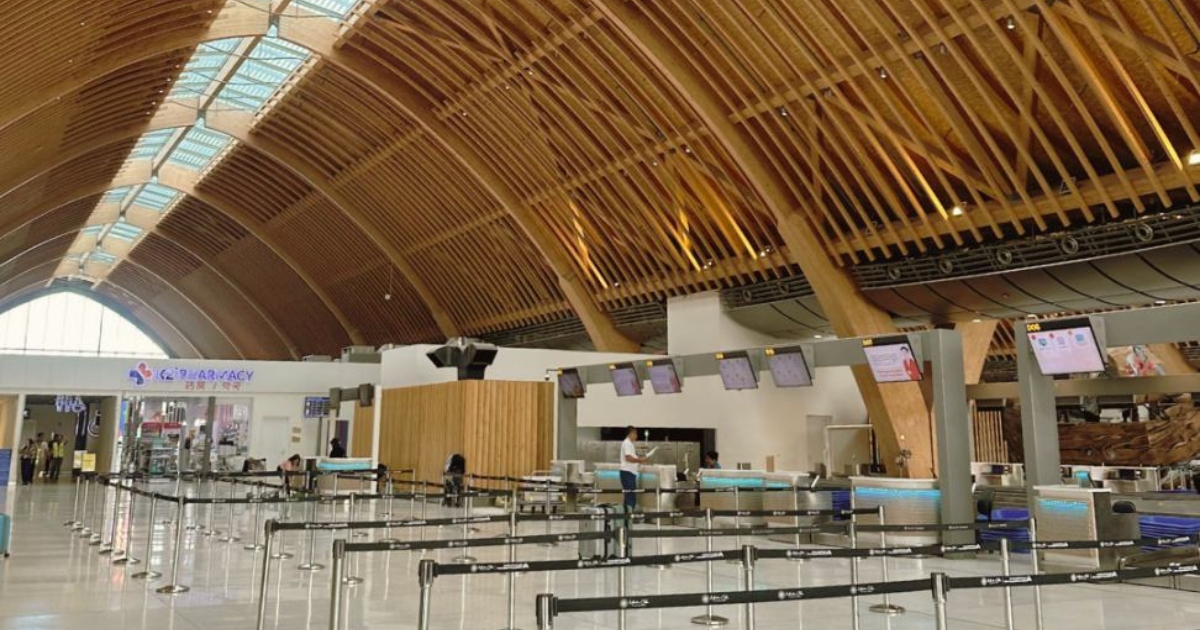
Photo from MCIA/Facebook