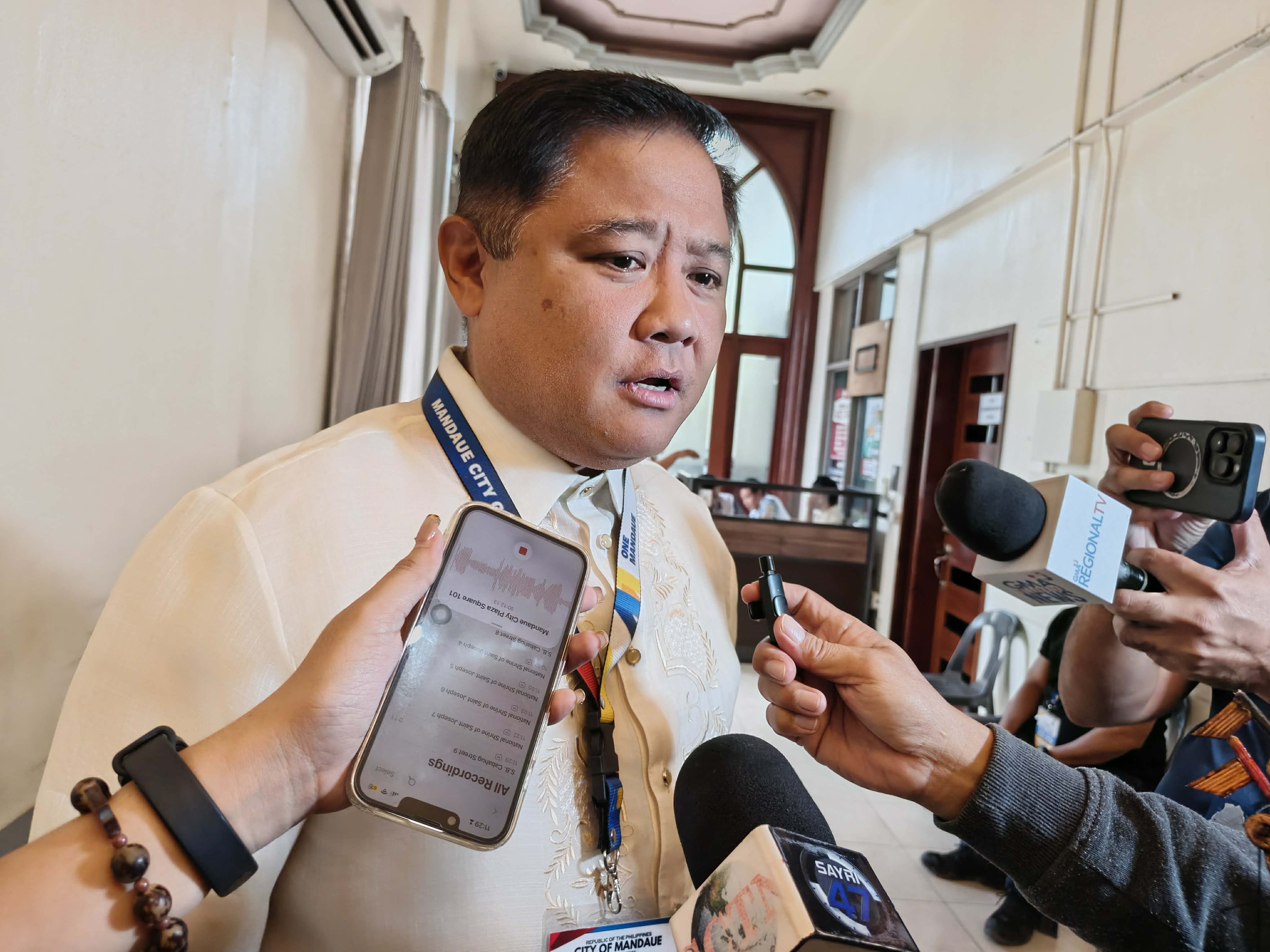
The Mandaue City Council has approved a resolution expressing its strong support for the proposed abolition of the travel tax in the Philippines, citing the growing financial burden it places on Filipino travelers.
Authored by Councilor Carlo Fortuna, the resolution backs House Bill No. 7443, which seeks to remove the travel tax to make overseas travel more accessible, particularly for Filipinos traveling for work and family-related reasons.
Fortuna welcomed the initiative of House Majority Leader Rep. Sandro Marcos, who sponsored the measure, saying the levy no longer reflects current travel realities.
“Ako nalipay kaayo ko ni Congressman Sandro Marcos for sponsoring the bill to remove the travel tax,” Fortuna said, noting that international travel has shifted from being a privilege of the wealthy to a necessity for many Filipinos.
The councilor said that when the travel tax was introduced, only a small portion of the population could afford to travel abroad. Today, however, more Filipinos—especially migrant workers—are flying overseas in search of employment opportunities.
Fortuna said the tax adds to mounting travel expenses, including airfare and airport fees, making it an unnecessary burden on passengers.
“It is burdensome nga kitang mularga pabayron tag buhis, nagbayad na gani tag airport fees,” he said, adding that abolishing the tax would help ease the cost of travel.
He expressed optimism that both chambers of Congress would pass the measure, saying any resulting revenue concerns could be addressed by the Department of Budget and Management.
“Ang importante, unahon nato ang interest sa mga Filipinos nga mularga, labi na katong mu trabaho abroad,” Fortuna said.
Earlier this month, Marcos called for the immediate abolition of the travel tax, saying it has outlived its original purpose and now hinders mobility and economic recovery.
House Bill No. 7443, also known as the Travel Tax Abolition Act, seeks to repeal the travel tax imposed under Presidential Decree No. 1183 and related provisions of the Tourism Act of 2009.
If enacted, the measure would end the collection of fixed charges on outbound passengers, which currently reach up to P2,700 for first-class travelers and more than P1,600 for economy passengers.
Marcos said the levy has become an added cost for Filipinos traveling abroad for work, family obligations, or personal opportunities, and that lowering travel expenses could help spur economic activity.
He also noted that several ASEAN countries have already scrapped similar taxes to boost tourism, trade, and cross-border movement, leaving the Philippines at a disadvantage.
To address funding concerns for agencies that benefit from travel tax collections, the bill proposes covering their budgets through the General Appropriations Act, ensuring continued support without placing the burden on travelers. (VCL)